
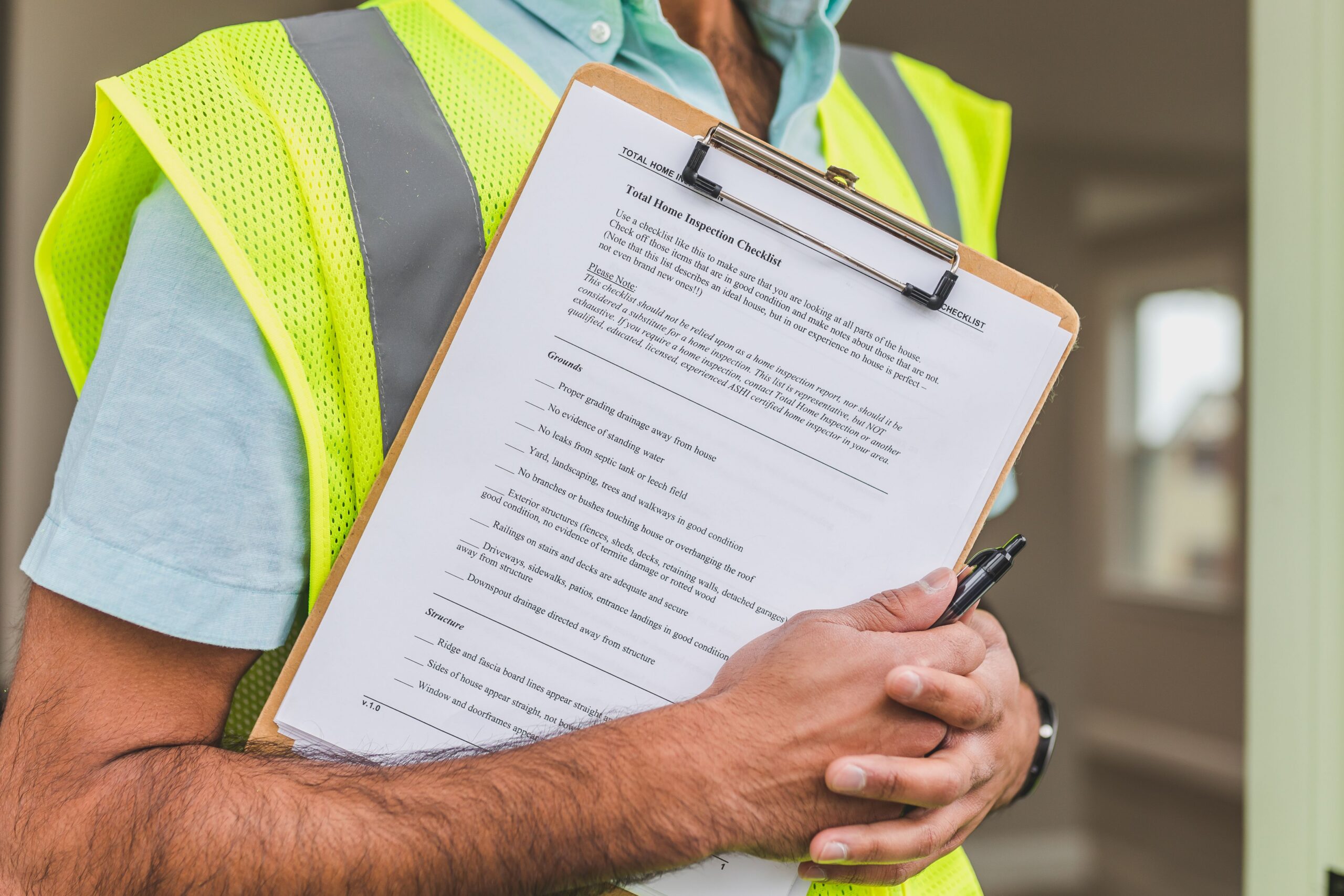
Buying a home in Mission Hills (Los Angeles, 91345) is exciting — until you realize you’re about to make one of the biggest purchases of your life based on a few showings. That’s what a home inspection is for. A good inspector spends hours looking at the parts of the house you didn’t think to check, from the roof and electrical panel to the crawlspace and water heater, and gives you a written report you can use to make decisions before your contingency period ends.
This guide explains how home inspections work in California, what’s different about how inspectors are regulated here, how to choose an inspector, and what to watch for in the older housing stock common in the San Fernando Valley.
How Home Inspectors Are Regulated in California
Here’s something many buyers don’t know: California does not issue a state license specifically for home inspectors. Instead, the state regulates home inspections through the Business and Professions Code (sections 7195–7199). Among other things, the law:
- defines a home inspection as a noninvasive, physical examination of a home’s systems and components, performed for a fee in connection with a transfer;
- requires inspectors to meet the standard of care a reasonably prudent home inspector would exercise; and
- generally prohibits an inspector or their company from performing repairs on a property they inspected within the previous 12 months (with limited exceptions), which helps prevent conflicts of interest.
Because there’s no state license, it’s up to you to check an inspector’s training, experience, and credentials before hiring.
How to Choose a Home Inspector
1. Look for professional credentials
Many inspectors belong to professional associations such as the California Real Estate Inspection Association (CREIA), the American Society of Home Inspectors (ASHI), or InterNACHI. These groups have their own standards of practice, education requirements, and codes of ethics. Membership isn’t legally required, but it tells you the inspector has committed to a published standard. Some inspectors are also licensed contractors or engineers — you can verify a contractor’s license on the Contractors State License Board (CSLB) website.
2. Ask for a sample report
The report is what you’re paying for. A good one is organized by system, includes clear photos, explains why each issue matters, and separates safety items from routine maintenance. If a sample report is vague or filled with boilerplate, keep looking.
3. Confirm insurance
Ask whether the inspector carries errors-and-omissions and general liability insurance, and read the inspection agreement before you sign so you understand any limits on liability.
4. Ask about local experience
Inspectors who regularly work in the northern San Fernando Valley tend to know what to look for in the homes built here over the decades — and when to recommend a specialist.
5. Check availability against your deadlines
On the standard California Residential Purchase Agreement, the buyer’s investigation contingency is 17 days after acceptance by default, and competitive offers often shorten it. Line up your inspector as soon as your offer is accepted (or before you write it) so you have time to schedule follow-up inspections and negotiate. Our guide to contingency removal explains what happens when that window closes.
6. Plan to attend
Walking through the home with your inspector is one of the best ways to understand the report. You’ll see issues in person and can ask which items are urgent and which are normal wear.
What a General Home Inspection Covers — and What It Doesn’t
A general inspection typically looks at the roof, foundation and structure, plumbing, electrical, heating and cooling, water heater, attic, crawlspace, doors, windows, and built-in appliances. For a deeper breakdown, see what’s included in a home inspection.
Because it’s noninvasive, a general inspection won’t open walls or dig up pipes. That’s why inspectors often recommend specialists, such as:
- Wood-destroying pests (termite) inspection: In California, this report must be prepared by a company registered with the Structural Pest Control Board, using the state’s official report form.
- Sewer lateral video inspection: In the City of Los Angeles, the property owner is responsible for the sewer lateral — the pipe from the house to the City’s main, including the portion under the street. A camera inspection can reveal roots, cracks, or offsets before you own them.
- Roof inspection by a licensed roofing contractor, if the general inspector flags age or damage.
- Foundation or structural evaluation by a structural engineer, if there are signs of movement.
- Chimney inspection, especially in older homes or after past earthquakes.
What to Watch for in Mission Hills Homes
Many Mission Hills homes were built in the decades after World War II, when the area grew as a residential suburb. Every home is different, but in older San Fernando Valley houses, inspectors commonly pay attention to:
- Electrical panels and wiring — older panels, ungrounded outlets, and DIY additions.
- Plumbing and sewer lines — aging supply lines and clay or cast-iron sewer pipe.
- Water heater bracing — California requires water heaters to be braced, anchored, or strapped against earthquake movement, and sellers must certify compliance in writing.
- Smoke and carbon monoxide alarms — required by state law, and sellers must provide written compliance statements.
- Permits for additions and conversions — garage conversions, room additions, and back houses. You can look up a property’s permit history through the Los Angeles Department of Building and Safety (LADBS) online permit and inspection report.
- Grading and drainage — water should flow away from the foundation, especially on sloped lots.
After the Inspection: What Happens Next
Once you have the reports, you’ll decide whether to move forward as-is, ask the seller for repairs or a credit, renegotiate the price, or cancel within your contingency period. Prioritize safety issues and big-ticket items (roof, foundation, sewer, electrical) over cosmetic ones, and get contractor estimates for anything significant so your request is based on real numbers. Your agent will help you prepare a request for repair and negotiate it with the seller’s agent.

Buying or Selling in Mission Hills? Let’s Talk.
A thorough inspection helps you buy with confidence, and preparing for one helps sellers avoid surprises. If you’re selling, request a free home valuation to see where your home stands. If you’re buying, contact David — we’ll help you plan inspections around your contract deadlines and walk through the results with you.
David Petikyan · Property Provider Group · eXp Realty
DRE# 02089725 · C.A.R. Certified Probate & Trust Specialist
15545 Devonshire St #103, Mission Hills, CA 91345 · (818) 394-0012
Brokerage: eXp Realty of Greater Los Angeles, Inc., DRE #02188471
This article is general information, not legal advice. We don’t endorse specific inspection companies; verify credentials and insurance before hiring.