So… What Is a Home Inspection?
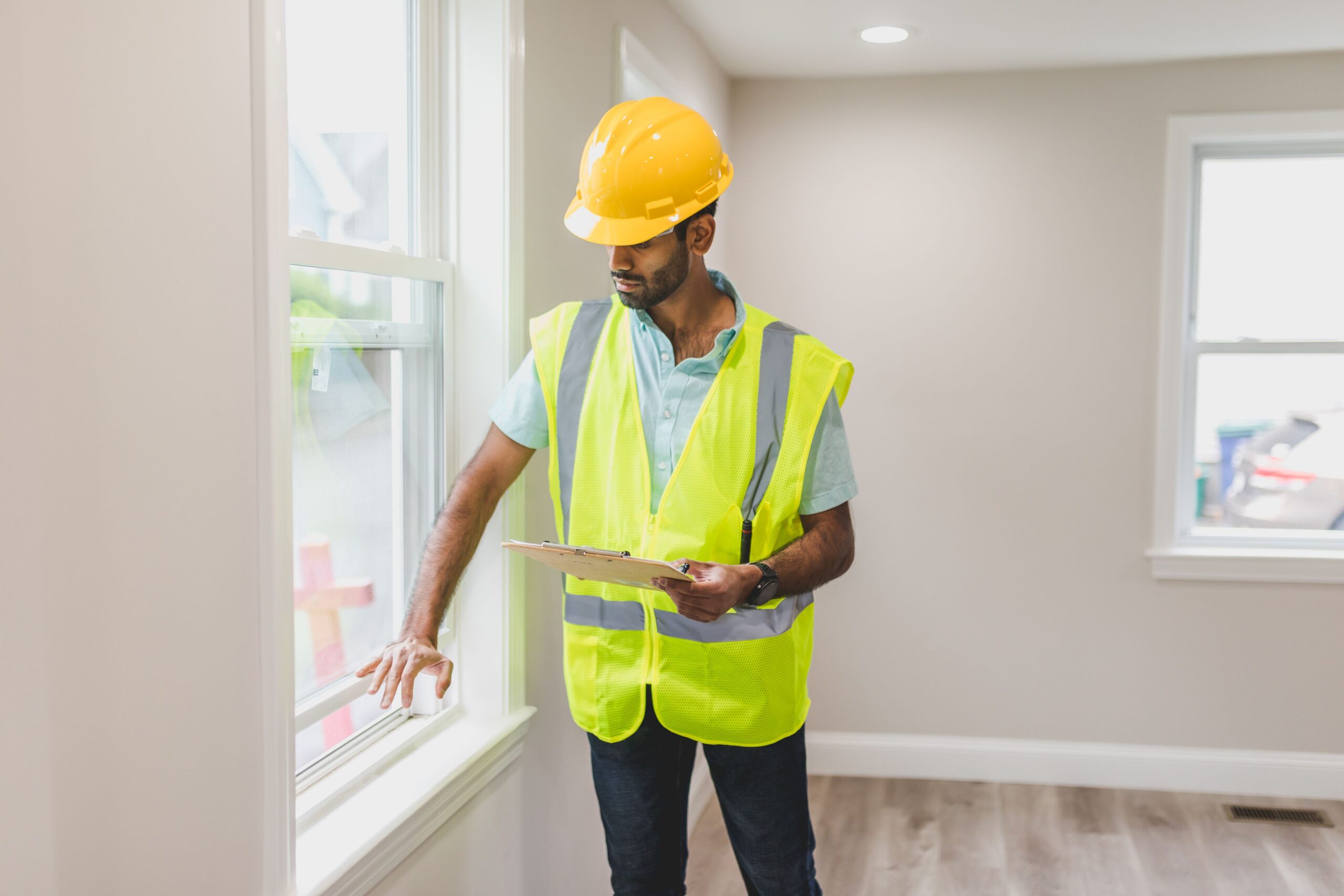
A home inspection is a detailed evaluation of a property’s major systems and structure performed by a licensed home inspector.
Their job is simple: identify visible issues, safety concerns, and potential repairs before you commit to buying.
They are not there to pass or fail the home.
They’re there to answer one question:
“What are you really buying here?”
And sometimes the answer is:
“A beautiful house… with a few surprises hiding behind the walls.”
What Do Home Inspectors Actually Look At?
A home inspection covers the big systems that keep a house functioning safely and properly.
Here’s what typically gets reviewed:
When buyers ask what is included in a home inspection, they’re usually referring to the major components of the home—systems, structure, safety features, and areas that could impact future repairs or ownership costs.
Roof, plumbing, electrical, HVAC, foundation, structure, attic, crawlspaces, windows, doors, and exterior drainage.
Or in simpler terms:
Everything that keeps the house standing, running, and not falling apart slowly in the background.
Let’s break it down.
The Roof 
Inspectors evaluate shingles, flashing, gutters, and signs of leaks or wear.
A solid roof = peace of mind.
A questionable roof = immediate budget conversations nobody wants to have yet.
Because nothing changes your mood faster than hearing:
“It might need replacement soon.”
Plumbing 
They check sinks, toilets, water pressure, visible pipes, and the water heater.
Slow drains or inconsistent hot water usually get flagged.
And yes, inspectors absolutely notice when the shower takes a full episode of a TV show to heat up.
Electrical System 
This is one of the more serious areas.
Inspectors look for:
- outdated wiring
- overloaded panels
- missing safety features
- exposed or unsafe connections
If the electrical panel looks like it belongs in a science museum, it’s going to raise questions.
HVAC System 
Heating and cooling systems are tested for functionality and general condition.
Because no one wants to move in and immediately discover the AC only works emotionally.
Especially in the Valley.
Foundation & Structure 
This is where things get real.
Inspectors check for:
- cracks in walls or foundation
- uneven floors
- signs of settling
- moisture issues
- structural movement
A small cosmetic crack? Usually normal.
A floor that feels like it’s doing yoga poses? Worth deeper review.
Attic & Crawl Spaces 
The least glamorous part of the home… and somehow one of the most important.
Inspectors look for:
- insulation issues
- mold or moisture
- pests
- ventilation problems
- hidden damage
Basically, all the areas nobody willingly explores unless they absolutely have to.
Windows, Doors & Exterior 
They check for proper sealing, functionality, and signs of water intrusion.
Because a “slightly drafty window” in real estate language can sometimes mean:
“You will personally experience every season indoors.”
Drainage & Exterior Grading 
Inspectors evaluate how water flows around the property.
Bad drainage = future water problems.
And water problems in real estate tend to escalate quickly from:
“minor issue”
to
“why is there a puddle inside the house?”
What a Home Inspection Does NOT Cover 
This is important because buyers often assume inspections are more exhaustive than they actually are.
Most general inspections do NOT include:
- inside walls
- sewer line scope (unless added)
- pool systems
- solar systems
- chimney interiors
- specialized mechanical systems
Which is why additional inspections are sometimes recommended.
Real estate loves a “part two.”
Do Homes “Fail” Inspections?
No.
A home inspection is not a pass/fail test.
But it can absolutely reveal:
 safety issues costly repairs system failures maintenance concerns
And this is where buyers get options:
- request repairs
- ask for credits
- renegotiate price
- or walk away (if contingencies allow)
Cue the emotional negotiations.
And sometimes the 1 a.m. Zillow research spiral.
How Much Does a Home Inspection Cost?
In most California markets, home inspections typically range from:
 $275 – $400+
Depending on:
- size of the home
- age of the property
- location
- and additional inspection add-ons
Compared to unexpected repairs after closing?
It’s one of the best investments in the entire transaction.