
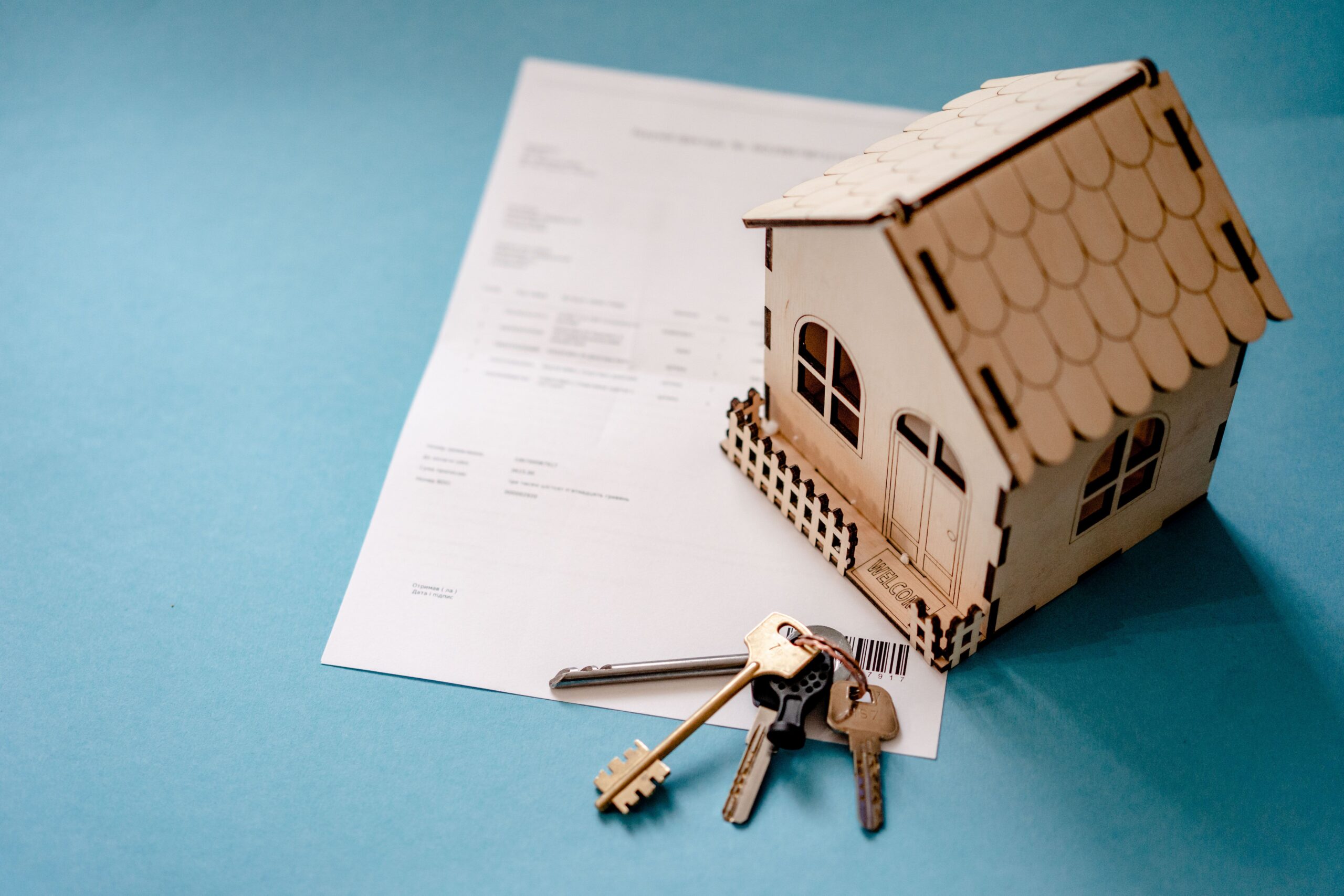
So… What Exactly Is a Deed?
A deed is a legal document that transfers ownership of real estate from one party to another.
It includes things like:
- who is transferring the property (the grantor)
- who is receiving it (the grantee)
- a legal description of the property
- and the official language that makes the transfer valid
Once it’s signed and properly recorded with the county, ownership is officially recognized.
That last part matters more than most people think—but we’ll get to that.
Understanding what is a deed in real estate becomes even more important when you realize that not all deeds provide the same level of protection. The type of deed used in a transaction can affect the rights, guarantees, and protections connected to the property.
Not All Deeds Are Created Equal 
Here’s where real estate gets interesting. Different types of deeds offer different levels of protection.
And yes… some are definitely more comforting than others.
General Warranty Deed (The Gold Standard  )
)
This is the overachiever of deeds.
It guarantees:
- the seller legally owns the property
- there are no hidden liens or claims
- and even issues from past owners are covered
If something goes wrong—anywhere in the property’s history—the seller is legally responsible.
This is the closest thing real estate has to a “full guarantee.”
Grant Deed (The Common Middle Ground)
A grant deed confirms:
- the seller owns the property
- and hasn’t already sold it to someone else
But it doesn’t fully guarantee the entire ownership history is clean.
It’s widely used in California residential transactions—solid, standard, but not quite the full “lifetime warranty” version.
Special Warranty Deed (Limited Coverage)
This one only covers the time the seller owned the property.
Basically:
“I didn’t cause any issues while I owned it… but anything before that is not my responsibility.”
Helpful, but limited.
Bargain and Sale Deed (Proceed with Context)
This deed confirms the seller owns the property, but offers no guarantees about liens or hidden issues.
It’s commonly used in foreclosures or tax sales—situations where the property history is more “unknown file” than “clean record.”
Quitclaim Deed (The Legal Shrug  )
)
This is the simplest—and least protective—type of deed.
It transfers whatever interest the person might have in the property… if any at all.
No warranties. No promises. No deep investigation.
It’s often used between family members, divorces, or situations where trust already exists and the paperwork is just catching up.
Deeds Aren’t Just About Ownership Transfers
Some deeds show up in financing and trust structures too.
For example:
- A deed of trust is what secures a mortgage loan using the property as collateral
- A trustee’s deed transfers property under instructions from a trust
- A reconveyance deed is issued when the loan is fully paid off, releasing the lender’s claim
In other words, deeds don’t just transfer ownership—they also track how ownership changes over time.
The Part Most People Don’t Think About 
Here’s the quiet detail that matters a lot:
A deed only works if it’s properly recorded with the county.
If it’s not recorded correctly, ownership can get messy fast. And in real estate, “messy” usually translates to delays, legal headaches, and expensive fixes nobody wanted.
Recording is what makes ownership official to the public record—not just the signatures on paper.

One More Surprise: Taxes Can Get Involved 
In some cases, transferring property through a deed (especially gifts or family transfers) can trigger tax considerations.
It doesn’t always mean taxes are due—but it’s one of those areas where professional guidance matters more than assumptions.
Because the IRS does not run on “we figured it out ourselves.”
Final Thoughts
Once you understand what is a deed in real estate, it becomes clear that a deed is much more than another piece of paperwork in the stack. It’s the document that separates:
“I bought a house”
from
“I legally own this property.”
It defines ownership, protects rights, and becomes part of the property’s permanent history.
And like most things in real estate, the details matter more than they first appear—because issues with deeds don’t usually show up on day one.
They show up years later… when nobody expects them.
Thinking about buying or selling and want everything handled the right way from contract to closing?
At Property Providers Group, we make sure every detail—from offer to deed—is handled correctly, recorded properly, and structured to protect your long-term ownership.