
Selling a Mission Hills home that sits on a larger-than-usual lot is rarely as simple as picking a number and waiting for offers. When the land is a big part of the value, you’re not just marketing a house — you’re marketing what a buyer could do with the property, and you have to be accurate about what they can’t do, too.
This guide is for owners in Mission Hills, Los Angeles (91345), in the northern San Fernando Valley. It explains how buyers evaluate larger parcels, how to price the house and the land together, what to research before listing, and how to market the property so the right buyers understand it. At the end, three hypothetical scenarios show how these principles play out. They are illustrations, not past client transactions.
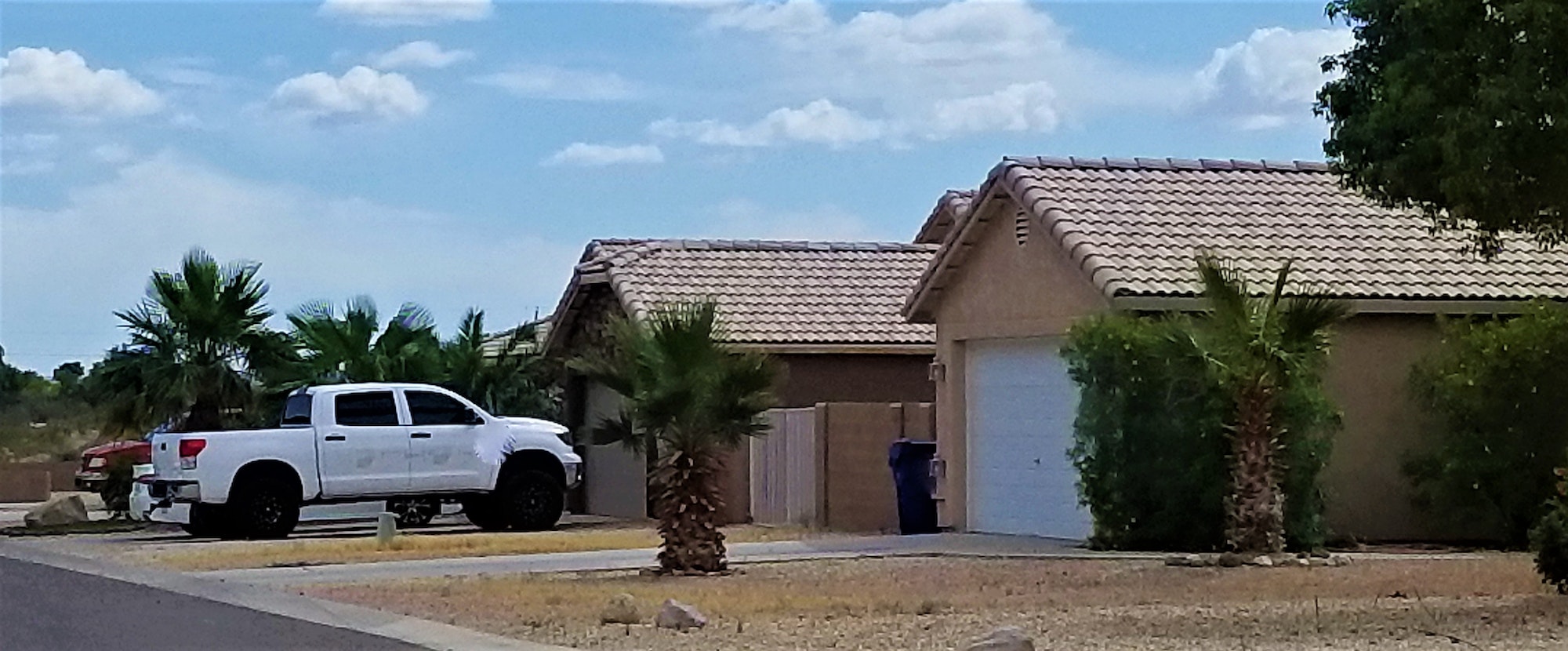
Why a Large Lot Changes the Selling Strategy
A buyer looking at a typical home compares bedrooms, bathrooms, square footage, condition, and recent sales. A buyer looking at a property with substantial land asks a second set of questions:
- How much of the lot is actually usable — flat, accessible, and free of easements?
- What is the zoning, and what could legally be added: an ADU, a junior ADU, a pool, a workshop, extra parking?
- Where are the utilities, and how expensive would it be to extend them?
- How does a vehicle get to the back of the lot?
- Are there any hazard zones, slopes, or drainage issues that limit what can be built?
The biggest pricing mistake is assuming more land automatically means a dramatically higher price. Land has value, but usable land is worth more than constrained land. A level, accessible backyard with room for an ADU is not financially equivalent to the same square footage on a steep slope or behind an easement. Price per square foot of the house alone can’t capture that difference — our guide to understanding price per square foot explains why it’s only one input.
Step 1: Research the Land Before You Set a Price
Before the first photo is taken, gather the facts a serious buyer will look for. In the City of Los Angeles, much of this is available online:
Zoning and parcel information
The City’s ZIMAS tool shows a parcel’s zoning, lot size, and overlays such as specific plans, historic designations, and hazard areas. Print the parcel report and keep it with your listing materials.
Permit history
The Los Angeles Department of Building and Safety (LADBS) offers an online permit and inspection report by address. Check it for the house, garage, and any accessory structures. If a guest house, garage conversion, or addition was built without permits, buyers and lenders will treat it differently from permitted space — and you’ll need to disclose what you know.
ADU potential
California law makes it easier to add accessory dwelling units. According to the California Department of Housing and Community Development (HCD), qualifying ADU and junior ADU applications are reviewed ministerially, and state law allows certain combinations of ADUs and JADUs on a single-family lot. A JADU must be within the existing home (an attached garage counts), can be up to 500 square feet, and can’t be sold separately. Whether a specific lot can fit a detached ADU depends on setbacks, access, utilities, and fire requirements, so present ADU potential as a possibility for the buyer to verify — not a promise.
Lot splits under SB 9
California’s SB 9 created a path, in some cases, to split a single-family parcel into two. Under Government Code section 66411.7, the two new parcels must be roughly equal (neither smaller than 40% of the original), each generally at least 1,200 square feet, and the applicant must sign an affidavit stating they intend to live in one of the units as a principal residence for at least three years. Many parcels aren’t eligible because of zoning, hazard zones, historic status, or tenant history. If you think your lot might qualify, have a land-use professional or the Los Angeles Department of City Planning confirm it before you market it that way.
Disclosures and hazards
Your Natural Hazard Disclosure report will show whether the property is in a mapped earthquake fault zone, seismic hazard zone, flood zone, or fire hazard severity zone. These matter more on larger parcels because they can limit future construction. Share the report early.
Step 2: Price the House and the Land Together
A strong pricing analysis for a large-lot property usually includes:
- The house on its own: recent sales of homes with similar size, age, and condition on standard lots nearby.
- The land premium: sales of homes with comparably sized, comparably usable lots — sometimes a wider area is needed to find them.
- The competition: current active and pending listings at the price you’re considering. Buyers will compare your home with all of them, not just other large lots.
- The buyer pool: who is most likely to pay for the extra land — an owner-occupant who wants space, a buyer planning an ADU for extended family or rental income, or a builder. Each values the land differently.
Buyers will pay for possibility, but they generally won’t pay as though every possibility has already been designed, approved, and built. If an ADU is only a possibility, price and market it as one. If you already have approved plans, that’s a much stronger story — and a stronger price.
Step 3: Market the Opportunity Clearly
The more complicated the property, the more clarity matters. Buyers shouldn’t have to play detective to figure out where the lot ends.
- Photography that explains the land: ground-level photos of the usable yard areas, plus aerial images that show the property lines and access accurately rather than just dramatically.
- A simple site overview: a marked-up parcel map showing the house, outbuildings, driveway, gates, and usable areas.
- A buyer information packet: the ZIMAS parcel report, permit history, any surveys, and the disclosure package, so buyers and their agents can do their homework quickly.
- Accurate language: describe what’s verified (“zoned R1 per ZIMAS,” “permitted 2-car garage”) and label anything else as a possibility for the buyer to confirm.
For the full step-by-step marketing process we follow on every listing, see marketing a Mission Hills home: our full plan.
Three Hypothetical Scenarios
The following scenarios are illustrations created to explain strategy. They are not descriptions of specific past sales, and no outcomes are implied or guaranteed.
Scenario 1: A well-kept home with a deep, level backyard
Imagine a single-story home in good condition on a lot noticeably deeper than its neighbors, with a level backyard and side-yard access for a vehicle. The tempting move is to take the highest nearby sale and add a big premium for the land.
A better approach: confirm zoning and setbacks in ZIMAS, check the permit history, and get a rough opinion from a designer on whether a detached ADU could fit. Price the house against similar homes, then add a land premium supported by sales of homes with similarly usable lots. In marketing, lead with the house and its condition, then show the yard clearly with ground and aerial photos and a simple site overview noting “ADU potential — buyer to verify with LADBS.” That framing attracts both buyers who want space and buyers planning an ADU, without overpromising.
Scenario 2: An inherited property with unpermitted structures
Imagine a family selling an inherited home on a larger lot. Over the years, a back structure was converted to living space, and nobody is sure whether it was permitted. The heirs live out of the area and want a straightforward sale.
Here, the first step is fact-finding: pull the LADBS permit report, confirm what is and isn’t on record, and gather any documents the family has. The marketing should describe the structure honestly (for example, “bonus structure; buyer to verify permits and use”), and pricing should reflect that a buyer may need to legalize, convert, or remove it. Depending on the condition, the best path may be selling as-is to the open market or comparing that against investor offers. If the property is in probate or a trust, timing and court requirements also shape the plan. Our guide to selling an inherited home in California covers that process.
Scenario 3: When the first price wasn’t the right price
Imagine a unique property that launches at an aggressive price to “leave room for negotiation.” Photos are strong, showings happen, but there are no offers. Agents say they like the home but think it’s priced high.
Silence is feedback. A well-priced unique property should generate serious conversations. If it gets attention but no offers, price or positioning is usually the issue; if it gets little attention at all, price is an even stronger suspect. The fix is to review showing feedback and the competition within the first few weeks, then make one meaningful adjustment rather than several small ones. A strategic price adjustment isn’t a failure — waiting too long is the costly part, because the longer a listing sits, the more buyers wonder what’s wrong with it.
Common Mistakes When Selling a Larger Lot
- Marketing unverified potential as fact. “Room for a second home!” invites problems if the lot can’t legally support it.
- Ignoring permit history. Unpermitted space surfaces in inspections, appraisals, and lender reviews.
- Relying on automated valuations. Online estimates generally can’t tell usable land from constrained land.
- Photos that hide the lot. If buyers can’t understand the land online, many won’t come see it.
- Forgetting the tax side. A large gain can have tax consequences; talk to a CPA early. Our overview of capital gains tax on selling a Mission Hills home is a good starting point.
Pre-Listing Checklist for Large-Lot Properties
- ZIMAS parcel report (zoning, lot size, overlays)
- LADBS permit and inspection history for every structure
- Any existing survey or plot plan
- Natural Hazard Disclosure report
- Utility locations (sewer or septic, water, gas, electric) and any known easements
- Designer or contractor opinion on ADU feasibility, if you plan to mention it
- Estimated net proceeds and tax questions for your CPA
Who Buys Larger Lots, and What Each Buyer Wants
Knowing your likely buyer shapes the price, the photos, and the listing description.
Owner-occupants who want space
These buyers care about the house first, then how they’ll use the yard: gardens, play space, a pool, room for vehicles or a workshop. Show the outdoor areas in use, explain access, and be clear about maintenance (irrigation, trees, fencing).
Buyers planning an ADU
Some buyers want room for extended family or rental income. They’ll want the zoning, lot dimensions, utility locations, and permit history up front. A feasibility opinion from a designer, clearly labeled as preliminary, can help them commit faster.
Builders and investors
These buyers underwrite the land. They’ll look at entitlement risk, construction costs, and exit value, and they’ll usually price in uncertainty. If your property may appeal to them, compare their offers with owner-occupant offers on net proceeds and certainty, not just price.
Escrow Considerations for Large-Lot Sales
- Longer investigation periods. Buyers may ask for more than the standard 17-day investigation contingency to consult designers or the City. Decide in advance how much time you’ll allow, and what you’ll ask for in return, such as a larger deposit.
- Appraisal gaps. Appraisers may find few truly comparable sales for unusual lots. Give the appraiser your comparable sales and a summary of the lot’s features, and consider how you’d handle a low appraisal.
- Surveys and boundaries. If fences don’t match property lines, or there’s no recent survey, buyers may request one. Knowing early avoids late surprises.
- Septic or sewer. Confirm how the property is connected and whether any inspections are needed.
Frequently Asked Questions
Should I get ADU plans approved before selling?
Sometimes. Approved plans can make the opportunity concrete for buyers, but they take time and money, and the next owner may want a different design. A preliminary feasibility opinion is often a reasonable middle ground. Compare the cost and timeline with the likely effect on price.
Can I market my lot as splittable under SB 9?
Only if you’ve confirmed eligibility. Many parcels don’t qualify, and an urban lot split also carries an owner-occupancy affidavit requirement. If you haven’t verified eligibility, say “buyer to investigate” rather than implying it’s possible.

Get a Pricing Strategy for Your Mission Hills Property
Every large-lot property is different, so the right price and marketing plan start with the facts about your parcel. Request a free home valuation to get a starting point based on recent comparable sales, or contact David to talk through your lot, your timeline, and your options.
David Petikyan · Property Provider Group · eXp Realty
DRE# 02089725 · C.A.R. Certified Probate & Trust Specialist
15545 Devonshire St #103, Mission Hills, CA 91345 · (818) 394-0012
Brokerage: eXp Realty of Greater Los Angeles, Inc., DRE #02188471
This article is general information, not legal, tax, or land-use advice. Confirm zoning, permits, and eligibility with the City of Los Angeles and qualified professionals.