 Metrolink: The “I Refuse to Fight Traffic Today” Option
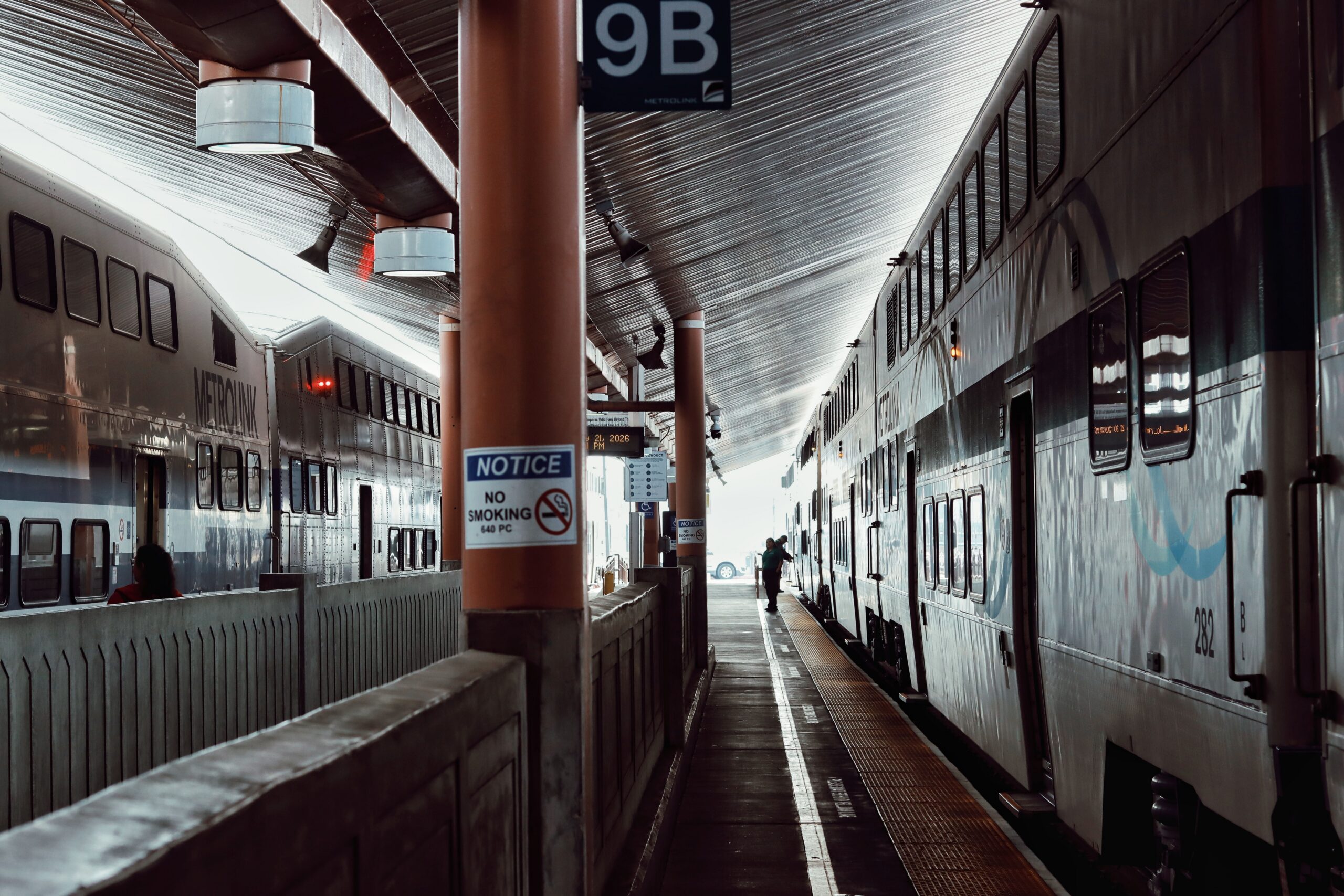
If there’s a commuter cheat code in this area, it’s the Metrolink Antelope Valley Line.
From the Sylmar/San Fernando station, you can get to Union Station in about 35–40 minutes, which is honestly impressive for LA standards.
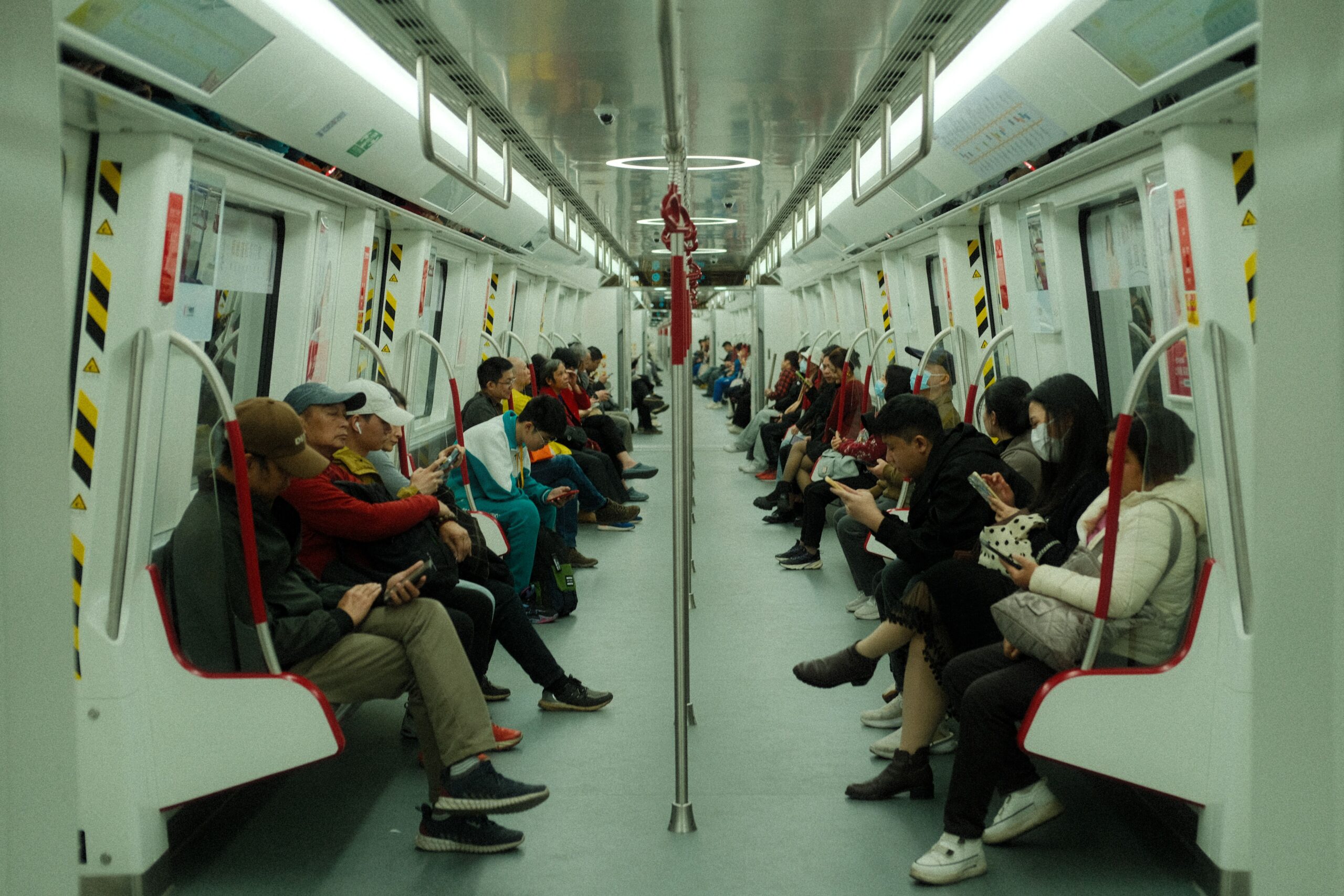
The vibe on the train is simple:
People working, people sleeping, people pretending they’re not stressed about work, and at least one person confidently eating something that smells like it should not be eaten indoors.
But overall? It’s calm. Predictable. And you avoid freeway chaos entirely.
For many commuters, this becomes the best part of their day because it’s the only part they can actually control.
 Metro Bus: The Budget-Friendly Marathon
If you’re optimizing for cost over speed, the Metro bus system is the most affordable way to get from SFV to LA.
The downside is obvious: it takes time. Often a lot of it.
You’re looking at roughly 1.5 to 2 hours depending on connections and traffic.
But the upside is consistency and cost. It’s usually just a few dollars, which in LA transportation terms is basically a discount membership to patience training.
This option is best for people who are:
- not in a rush
- comfortable planning ahead
- or simply trying to save every dollar for rent, groceries, and the occasional iced coffee that costs too much
 Bus + Metro Rail Combo: The “Smart Middle Ground”
This is where a lot of Valley commuters land.
A common route is bus connections into the Metro B Line (Red/Orange access via North Hollywood), which then takes you deeper into Hollywood or Downtown LA.
Total commute time usually falls around 60–90 minutes depending on transfers.
It’s not glamorous, but it’s structured. And in LA, predictability is its own form of luxury.
You know what you’re getting.
Mostly.
 Driving: Technically Fast, Emotionally Questionable
On paper, driving from the San Fernando Valley to Downtown LA can take around 25–40 minutes.
In reality?
That number is more of a suggestion.
During peak hours, that same drive can stretch significantly depending on:
- accidents that appear out of nowhere
- construction that lasts longer than most streaming subscriptions
- or the classic “everyone decided to leave at the same time” scenario
The upside is flexibility. You can leave when you want, detour if needed, and control your own temperature and playlist.
The downside is you are now part of the traffic.
Welcome to the system.
 Uber & Rideshare: Convenient, But Emotionally Expensive
Uber from SFV to LA is usually somewhere in the $20–$50+ range depending on timing and demand, with travel times around 15–30 minutes off-peak.
It’s great for:
- nights out
- airport runs
- days when parking sounds emotionally exhausting
- or situations where you simply refuse to think about logistics
It’s convenient, fast, and easy.
It’s also how you accidentally spend $200 in rideshares without remembering the exact moment it happened.
Greyhound & Regional Buses: The Wild Card Option
Less common for daily commuting, but still part of the transportation ecosystem.
Travel times are typically 40–60 minutes depending on stops, and prices are usually affordable.
This option tends to work best for:
- occasional travel
- budget commuters
- or anyone nostalgic for the early-2000s “bus station energy” experience
It gets you there. That’s the main feature.
Metrolink: The “I Refuse to Fight Traffic Today” Option
If there’s a commuter cheat code in this area, it’s the Metrolink Antelope Valley Line.
From the Sylmar/San Fernando station, you can get to Union Station in about 35–40 minutes, which is honestly impressive for LA standards.
The vibe on the train is simple:
People working, people sleeping, people pretending they’re not stressed about work, and at least one person confidently eating something that smells like it should not be eaten indoors.
But overall? It’s calm. Predictable. And you avoid freeway chaos entirely.
For many commuters, this becomes the best part of their day because it’s the only part they can actually control.
Metro Bus: The Budget-Friendly Marathon
If you’re optimizing for cost over speed, the Metro bus system is the most affordable way to get from SFV to LA.
The downside is obvious: it takes time. Often a lot of it.
You’re looking at roughly 1.5 to 2 hours depending on connections and traffic.
But the upside is consistency and cost. It’s usually just a few dollars, which in LA transportation terms is basically a discount membership to patience training.
This option is best for people who are:
- not in a rush
- comfortable planning ahead
- or simply trying to save every dollar for rent, groceries, and the occasional iced coffee that costs too much
Bus + Metro Rail Combo: The “Smart Middle Ground”
This is where a lot of Valley commuters land.
A common route is bus connections into the Metro B Line (Red/Orange access via North Hollywood), which then takes you deeper into Hollywood or Downtown LA.
Total commute time usually falls around 60–90 minutes depending on transfers.
It’s not glamorous, but it’s structured. And in LA, predictability is its own form of luxury.
You know what you’re getting.
Mostly.
Driving: Technically Fast, Emotionally Questionable
On paper, driving from the San Fernando Valley to Downtown LA can take around 25–40 minutes.
In reality?
That number is more of a suggestion.
During peak hours, that same drive can stretch significantly depending on:
- accidents that appear out of nowhere
- construction that lasts longer than most streaming subscriptions
- or the classic “everyone decided to leave at the same time” scenario
The upside is flexibility. You can leave when you want, detour if needed, and control your own temperature and playlist.
The downside is you are now part of the traffic.
Welcome to the system.
Uber & Rideshare: Convenient, But Emotionally Expensive
Uber from SFV to LA is usually somewhere in the $20–$50+ range depending on timing and demand, with travel times around 15–30 minutes off-peak.
It’s great for:
- nights out
- airport runs
- days when parking sounds emotionally exhausting
- or situations where you simply refuse to think about logistics
It’s convenient, fast, and easy.
It’s also how you accidentally spend $200 in rideshares without remembering the exact moment it happened.
Greyhound & Regional Buses: The Wild Card Option
Less common for daily commuting, but still part of the transportation ecosystem.
Travel times are typically 40–60 minutes depending on stops, and prices are usually affordable.
This option tends to work best for:
- occasional travel
- budget commuters
- or anyone nostalgic for the early-2000s “bus station energy” experience
It gets you there. That’s the main feature.