If you’re thinking about selling your home in the north San Fernando Valley, understanding a north San Fernando Valley listing agreement is an important first step. It may sound like a lot of legal jargon, but this agreement helps protect you and your real estate agent while clearly outlining how the selling process will work.
At Property Provider Group, we compare a listing agreement to hiring a trusted guide for a mountain hike. It establishes the partnership that helps get you from “For Sale” to “Sold.” Taking the time to understand what you’re signing can prevent confusion, unexpected surprises, and frustration later.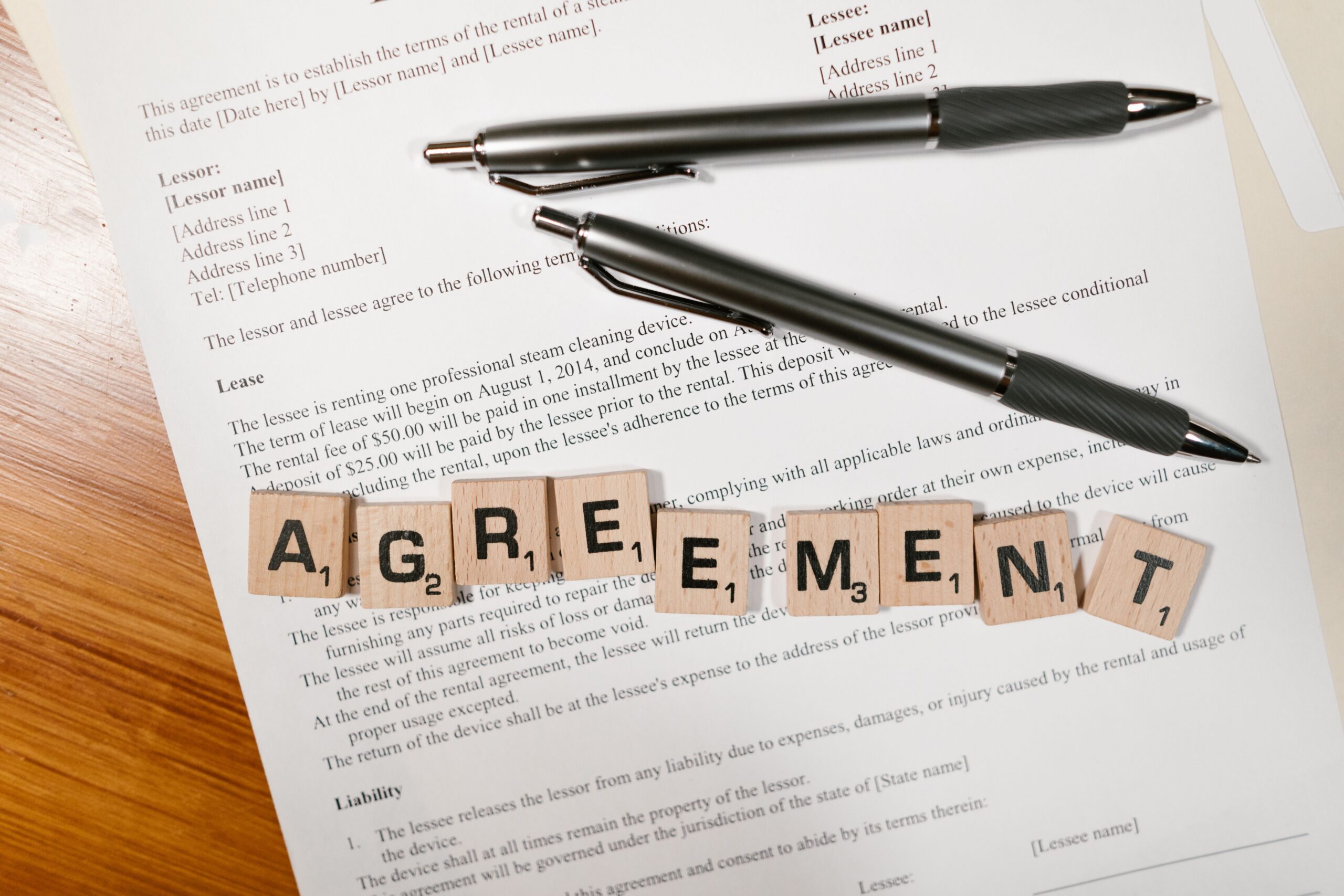
So, What Exactly Is a Listing Agreement?
Simply put, a listing agreement is a legal contract between you, the homeowner, and your real estate brokerage. It gives your real estate agent permission to represent you in the sale of your home while outlining exactly how that relationship will work. Think of it as the blueprint for your home-selling journey. The agreement explains what services your agent will provide, how your home will be marketed, how long the agreement lasts, what compensation has been agreed upon, and what responsibilities both parties have throughout the transaction. It also establishes expectations from the very beginning, which is one of the best ways to prevent misunderstandings down the road. Without a signed listing agreement, a licensed real estate agent cannot officially represent you in selling your property. While they can certainly answer questions or provide general advice, they cannot market your home through the Multiple Listing Service (MLS), negotiate on your behalf, or guide the transaction as your listing agent until that agreement is in place. In other words, it’s not just paperwork—it’s the document that officially starts your home-selling journey.Why Does a Listing Agreement Matter So Much?
Some sellers look at the listing agreement as simply another form that needs to be signed before the exciting part begins. The reality is that it’s one of the most important documents you’ll sign during the entire transaction. A listing agreement protects everyone involved. It clearly outlines what your agent is responsible for doing and what you, as the seller, agree to provide throughout the process. Instead of relying on verbal conversations or assumptions, everything is documented in writing. This creates transparency from day one. At Property Provider Group, we believe the best transactions happen when everyone understands their role. That means you know exactly what to expect from us, and we know exactly how to best represent your interests. After all, buying or selling a home shouldn’t feel like playing a guessing game.What Services Should You Expect From Your Listing Agent?
Many homeowners assume a real estate agent’s job begins and ends with putting a sign in the yard and uploading a few photos online. If only it were that simple. If selling homes was as easy as putting a “For Sale” sign in the lawn, we’d probably see squirrels closing escrows by now. The truth is that today’s real estate market requires much more than simply listing a property. A full-service listing agent helps coordinate nearly every aspect of the transaction, starting long before your home ever appears online. At Property Provider Group, our responsibilities often begin weeks before your listing goes live. We help determine pricing based on current market conditions, review recent comparable sales, recommend improvements that offer the best return on investment, coordinate professional photography, prepare MLS marketing, organize seller disclosures, develop a marketing strategy, schedule showings, host open houses when appropriate, negotiate offers, coordinate with escrow, lenders, title companies, inspectors, and transaction coordinators, and guide you all the way to closing. In short, we’re not simply marketing a house. We’re managing an entire transaction designed to help you achieve your goals while reducing unnecessary stress.Understanding the Different Types of Listing Agreements
One of the first things you’ll notice when reviewing a listing agreement is that there isn’t just one type. Depending on your state and brokerage, you may encounter several different listing agreements, each with slightly different rules. The most common—and the one most sellers choose—is the Exclusive Right-to-Sell Listing Agreement. This agreement gives one brokerage the exclusive right to represent you during the listing period. If your home sells while the agreement is active, the agreed-upon compensation applies regardless of who ultimately introduces the buyer. Why is this the most common? Because it gives your agent the confidence to invest significant time, money, and resources into marketing your home. Professional photography, digital advertising, MLS exposure, social media campaigns, open houses, marketing materials, and networking with other agents all require both time and financial investment. When an agent knows they have the exclusive opportunity to represent your property, they’re able to fully commit those resources to helping your home stand out. Another option is the Exclusive Agency Listing Agreement. This agreement still allows one brokerage to market your property, but it also gives you the option to sell the home yourself without certain commission obligations if you independently find the buyer. While that flexibility sounds appealing at first, it often results in less marketing investment because the brokerage carries more financial risk. Then there’s the Open Listing. An open listing allows multiple agents to attempt to sell the property, with only the agent who actually brings the buyer receiving compensation. Although this sounds flexible, it’s far less common because it provides very little incentive for agents to invest heavily in marketing a property they may never be compensated for. Imagine asking five contractors to remodel your kitchen, but only paying whichever one happens to finish first. You’d probably have a hard time finding someone excited to take the job. Real estate works much the same way.What Information Is Included in a Listing Agreement?
Although every brokerage has slightly different forms, most listing agreements include several key sections. Understanding what appears in a north San Fernando Valley listing agreement can help sellers feel more confident about what they’re signing and what to expect once the property officially goes on the market. One of the most obvious is the property description. This identifies exactly which property is being sold, including the address, legal description, and sometimes additional information about included fixtures or personal property. Next comes the listing price. Contrary to popular belief, your listing price isn’t pulled out of thin air—or from that one neighbor who insists every home on the block is worth two million dollars because “that’s what I would ask.” Instead, pricing is based on current market data, comparable sales, inventory levels, buyer demand, property condition, and local trends throughout the north San Fernando Valley. Another important section outlines the duration of the agreement. Most listing agreements last somewhere between three and six months, although shorter or longer terms can sometimes be negotiated depending on the property and market conditions. This time period allows your agent to fully market the property while giving both parties a clear understanding of the representation period. You’ll also find detailed information about the services the brokerage will provide, marketing strategies, communication expectations, and how offers will be presented and negotiated. Perhaps one of the most discussed sections involves compensation. Following recent industry changes, compensation is fully negotiable and should always be discussed openly between you and your agent. Your listing agreement explains exactly what has been agreed upon so there is complete transparency before your home is listed. One of the things we appreciate most at Property Provider Group is having these conversations upfront. Clear communication early almost always prevents confusion later.Understanding Your Responsibilities as the Seller
While your real estate agent has a long list of responsibilities, the listing agreement also outlines what is expected of you as the homeowner. Selling a home is very much a team effort, and the smoother everyone works together, the smoother the transaction usually becomes. One of your biggest responsibilities is providing accurate information about the property. California law requires sellers to disclose any known material facts that could affect a buyer’s decision. That doesn’t mean your home has to be perfect—far from it. Every home has a story, whether it’s a roof replacement five years ago, a plumbing repair, or an addition that was completed with permits. Buyers appreciate honesty, and full disclosure helps build trust while reducing the chances of surprises during escrow. Another responsibility is keeping the property reasonably available for showings. We understand this can be inconvenient. Life doesn’t stop just because your home is on the market. Kids still have soccer practice, dogs still think every visitor is there just to see them, and someone always seems to decide it’s the perfect time to bake fish the day before a showing. While we can’t promise perfect timing, we do recommend keeping the home as show-ready as possible. You never know when the buyer who falls in love with your home will walk through the front door. Your listing agreement also assumes you’ll communicate openly with your agent. If circumstances change—perhaps you’re considering renting the property instead, accepting a job transfer, or changing your moving timeline—let your agent know. Good communication allows everyone to adjust the strategy before small issues become larger ones.Let’s Talk About Commission
Few topics in real estate generate as many questions as commissions, and understandably so. Since recent changes in the real estate industry, compensation has become even more transparent and negotiable than ever before. The important thing to remember is that there is no standard commission rate required by law. Every listing agreement should clearly explain how your agent will be compensated, what services are included, and any additional terms that have been mutually agreed upon. At Property Provider Group, we believe these conversations should happen before any paperwork is signed. Our goal is to explain exactly what you’re receiving for the services we provide—from professional marketing and pricing strategy to negotiation, transaction management, and guidance through closing. When expectations are clear from the beginning, sellers can move forward with confidence instead of uncertainty. Remember, the lowest commission doesn’t always translate into the highest net proceeds. An experienced agent who prices your home strategically, negotiates effectively, and markets it professionally can often help you achieve a stronger overall outcome than simply choosing the lowest fee available. When reviewing a north San Fernando Valley listing agreement, sellers should pay close attention to how compensation is explained, what services are included, and what has been agreed upon before signing.Protection Periods: The Clause Many Sellers Overlook
One section of a listing agreement that often surprises sellers is called the protection period, sometimes referred to as a safety clause. Imagine your home is listed for several months. During that time, an interested buyer tours your property but doesn’t make an offer. A week after your listing agreement expires, that same buyer contacts you directly and decides to purchase your home. Most listing agreements contain language explaining whether the brokerage remains entitled to compensation if that buyer was introduced to the property during the listing period. The purpose isn’t to trap sellers—it’s to protect the work your agent invested in marketing your property and introducing qualified buyers. Every agreement is different, so it’s important to understand how long the protection period lasts and under what circumstances it applies. If you have questions, ask before signing. A good real estate professional should be happy to explain every clause in plain English.Can You Cancel a Listing Agreement?
Another common question we hear is, “What if things aren’t working out?” The answer depends on the specific agreement you’ve signed. Many listing agreements include provisions explaining how either party may terminate the relationship before the expiration date. Some allow cancellation with written notice, while others may require mutual agreement or reimbursement for certain marketing expenses already incurred. The key is understanding these terms before you sign—not after frustration sets in. At Property Provider Group, we believe every client relationship should be built on communication and trust. If concerns ever arise, we’d much rather have an honest conversation and find a solution than let small misunderstandings grow into larger problems.What Is Dual Agency?
Depending on California law and the circumstances of the transaction, you may also see language discussing dual agency. Dual agency occurs when the same brokerage—or in some cases, the same agent—represents both the buyer and the seller in the same transaction. While this is legal in California with proper disclosure and consent, it also changes how representation works because the agent must remain neutral between both parties. Some sellers are comfortable with this arrangement, while others prefer separate representation for each side. Neither choice is automatically right or wrong. The important thing is understanding your options before making a decision. Never hesitate to ask your agent how dual agency works and what it means for your transaction.Common Mistakes Sellers Make Before Signing
After years of helping homeowners throughout the north San Fernando Valley, we’ve noticed a few mistakes that tend to come up repeatedly. The first is signing the agreement without reading it carefully. We know paperwork isn’t exciting, but this contract deserves your attention. The second is choosing an agent based solely on the highest suggested list price. Every seller wants top dollar, but an unrealistically high price can cause a home to sit on the market longer, often leading to price reductions later. A thoughtful pricing strategy backed by local market data is usually far more effective than simply aiming high and hoping for the best. Another mistake is focusing only on commission instead of overall value. Ask what marketing, communication, negotiation, and transaction support you’ll actually receive. Selling a home involves much more than placing it on the MLS. Finally, don’t be afraid to ask questions. There is no such thing as a silly question when you’re making one of the largest financial decisions of your life.What Happens If Your Home Doesn’t Sell?
Although every seller hopes for a quick and successful sale, sometimes the market has other plans. If your listing agreement expires before your home sells, you generally have several options. You may choose to renew the agreement with your current brokerage, interview another agent, or take a break from the market altogether. Before making that decision, it’s worth reviewing what happened during the listing period. Was the pricing competitive? Did buyers provide consistent feedback? Were there market changes affecting demand? Did the home receive enough exposure? Sometimes small adjustments to pricing, presentation, or marketing strategy can make a significant difference. At Property Provider Group, we believe every listing deserves an honest review. Our goal isn’t simply to list homes—it’s to help sellers understand what the market is telling us so we can make informed decisions together.