

How to Negotiate Offers as a Seller
How Smart Sellers Maximize Their Results Without Losing Their Sanity
Selling a home isn’t just about putting a sign in the yard, hosting an open house, and waiting for offers to roll in. Once an offer arrives, the real work often begins.
Understanding how to negotiate offers as a seller can make a significant difference in your final results. The right strategy can help you protect your equity, evaluate buyer terms, and create a smoother path from accepted offer to closing.
Negotiation can have a major impact on your final sales price, closing terms, and overall experience. In many cases, the difference between a good outcome and a great one isn’t the marketing, staging, or photography—it’s what happens after the offers start coming in.
The good news? You don’t need to be a professional negotiator, a trial attorney, or a star on a reality TV business show to negotiate successfully. You simply need a strategy, a clear understanding of your goals, and the ability to stay calm when that surprisingly low offer lands in your inbox.
Great Negotiations Aren’t About Winning
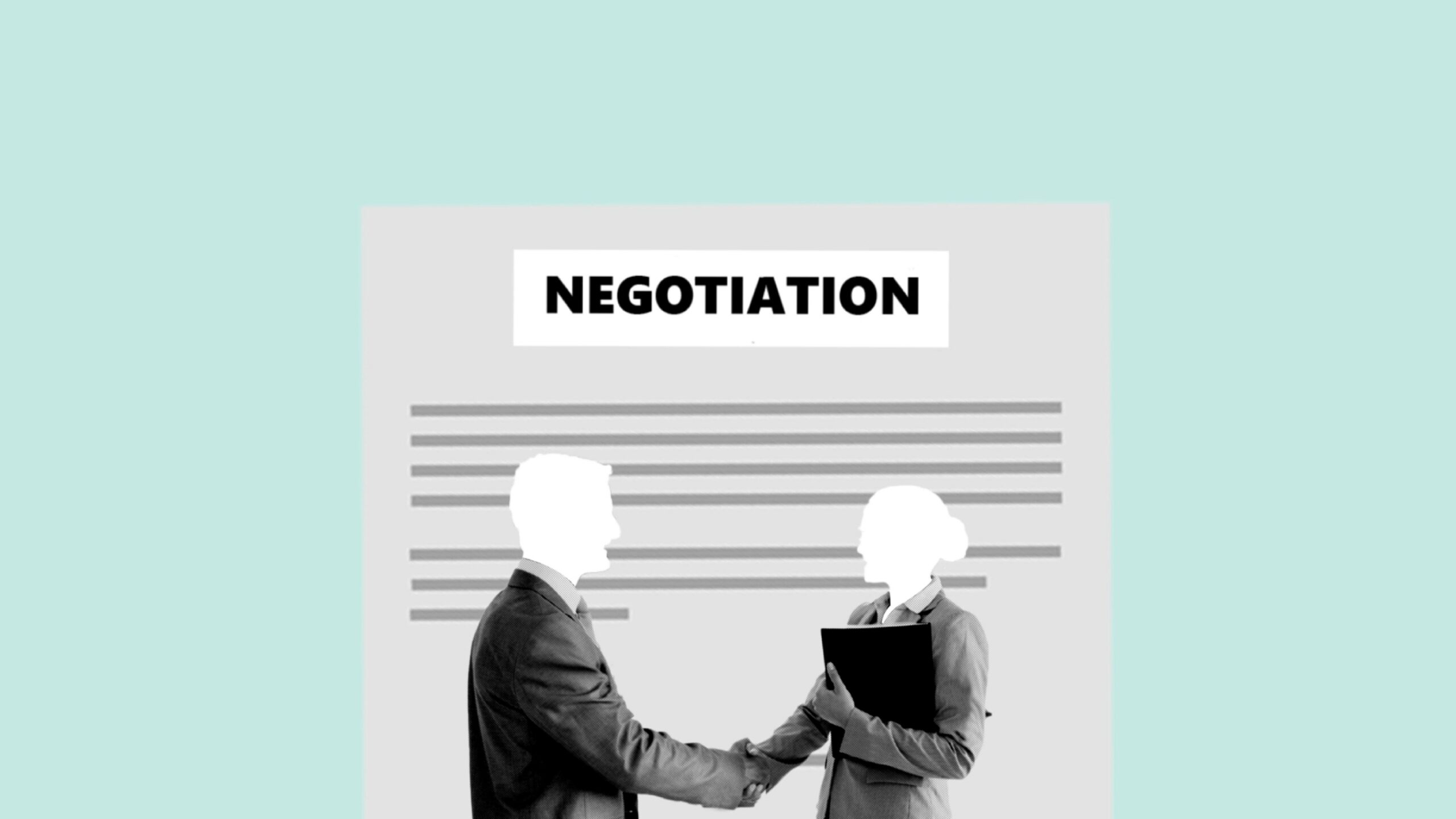
One of the biggest misconceptions sellers have is that negotiation is about beating the other side.
In reality, the best real estate negotiations create solutions that work for everyone involved. A buyer who feels respected is more likely to stay committed throughout escrow, and a seller who feels protected is more likely to move forward with confidence.
The goal isn’t to “win” the negotiation. The goal is to reach an agreement that closes successfully while maximizing your financial outcome.
After all, a deal that falls apart halfway through escrow doesn’t feel like much of a victory for anyone.
Pricing Sets the Tone
Long before negotiations begin, your pricing strategy is already influencing the conversation.
When a home is priced correctly, buyers enter the negotiation process with a clear understanding of its value. A strong pricing strategy helps establish expectations and often creates more leverage for the seller.
That’s why pricing isn’t simply about choosing a number. It’s about positioning the property effectively in the marketplace.
The way a home enters the market often determines the quality of the conversations that follow.
Confidence Matters
One mistake sellers occasionally make is revealing too much flexibility too early.
For example, if a seller immediately communicates a wide range of acceptable prices, buyers naturally focus on the lowest number they hear. That’s simply human nature.
Strong negotiators communicate clearly and confidently. They understand their goals, know their property’s value, and allow room for negotiation without undermining their own position from the start.
You can always negotiate later. It’s much harder to regain leverage once you’ve given it away.
Listening Can Be More Powerful Than Talking
One of the most underrated negotiation skills is listening.
Many sellers assume negotiation is about having the perfect response. In reality, some of the most valuable information comes from understanding the buyer’s motivations.
Why are they moving? How quickly do they need to close? Are they relocating for work? Are they competing with other buyers? Have they already fallen in love with the home?
The answers to these questions can provide valuable insight that helps shape a stronger negotiation strategy.
Sometimes the seller who listens carefully learns far more than the seller who rushes to respond.
Multiple Offers Require a Different Strategy
Knowing how to negotiate offers as a seller becomes especially important when multiple buyers are involved. While a higher purchase price may look attractive at first glance, experienced sellers understand that the strongest offer is the one that combines price, terms, timing, and the highest likelihood of closing successfully.
When multiple offers arrive, sellers often find themselves in an excellent position—but that doesn’t mean the decision is always simple.
Sometimes the strongest offer is obvious. Other times, the highest price isn’t necessarily the best offer.
Terms matter. Financing matters. Contingencies matter. Closing timelines matter.
A buyer offering slightly less but bringing stronger financing, fewer contingencies, and a smoother path to closing may ultimately present less risk than a higher offer filled with uncertainty.
This is where experience becomes especially valuable. Every offer should be evaluated as a complete package rather than focusing solely on the purchase price.
Because a high offer isn’t worth much if it never makes it to the closing table.
Keep Emotions Out of the Process
This may be one of the most important pieces of advice for sellers.
Your home is personal. It’s where you’ve built memories, celebrated milestones, and invested time, money, and energy. But buyers don’t negotiate based on those memories.
They negotiate based on market conditions, comparable sales, financing limitations, inspections, and their own goals.
Successful sellers understand the difference.
The most effective negotiations happen when decisions are based on facts and strategy rather than emotion. That doesn’t mean you can’t care about the process. It simply means you don’t let emotions drive important financial decisions.
And while your custom-built pantry may be your favorite feature in the house, it probably isn’t adding the extra $25,000 you were hoping for.
Know When to Hold Firm
Not every buyer request deserves an automatic “yes.”
There are times when flexibility makes sense. A small repair credit, a minor timeline adjustment, or a reasonable concession may help keep an otherwise strong transaction together.
There are also times when standing firm is absolutely the right decision.
If your home is generating strong interest, inventory is limited, or backup buyers are waiting, you may have more negotiating power than you realize.
The key is understanding where flexibility benefits you and where it doesn’t.
Every transaction is different, which is why a thoughtful strategy is far more effective than a one-size-fits-all approach.
The Best Negotiators Focus on Results
The most successful sellers aren’t necessarily the most aggressive.
They’re usually the most prepared.
They understand the market, evaluate every offer carefully, anticipate potential challenges, and stay focused on the outcome they want to achieve.
They know that negotiation isn’t about ego. It’s about maximizing value while keeping the transaction moving forward.
Because nobody remembers who “won” the negotiation if the deal falls apart a week before closing.
Thinking About Selling?
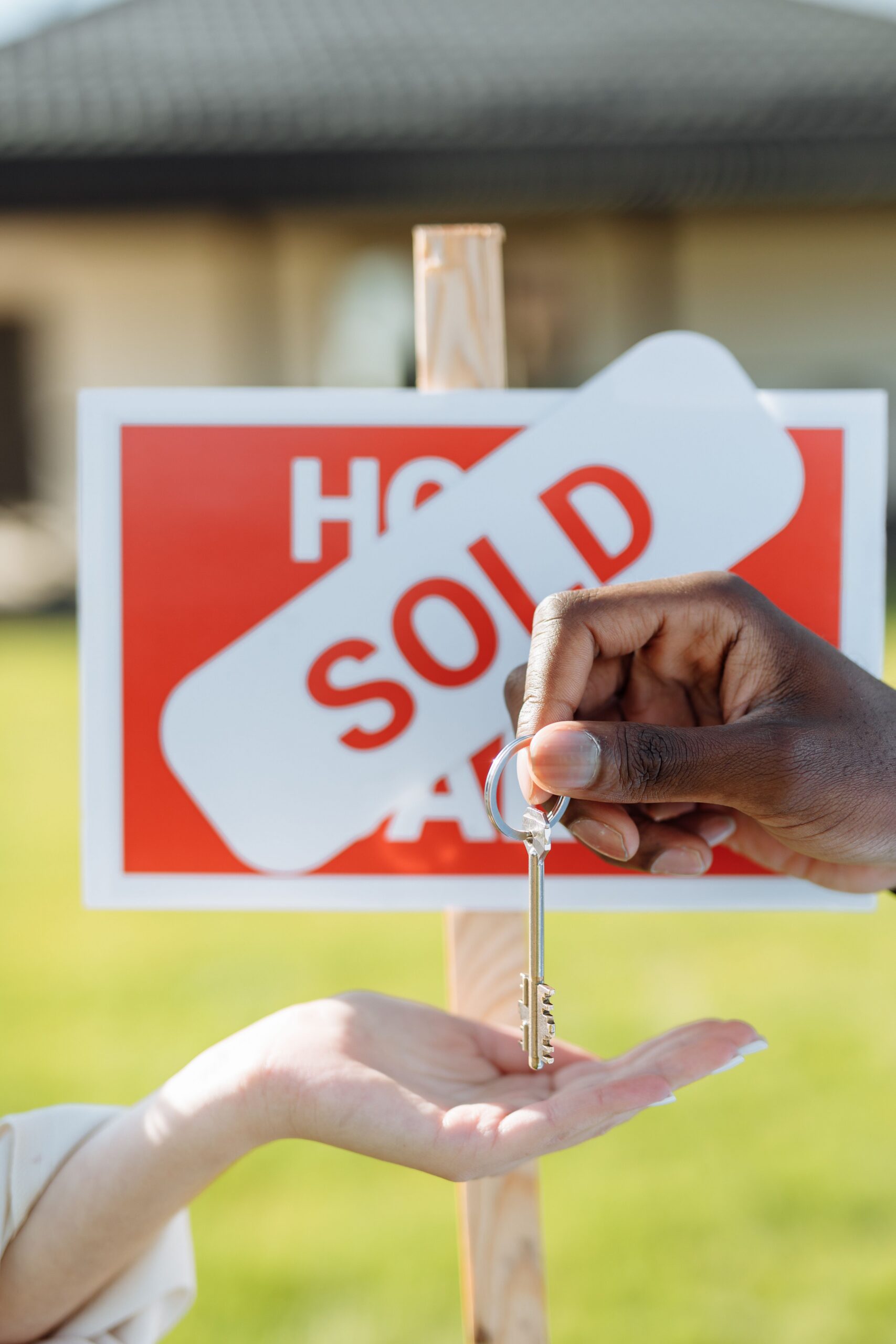
The ability to understand how to negotiate offers as a seller can directly impact your financial outcome and overall selling experience. A well-planned negotiation strategy helps sellers make decisions based on facts rather than pressure or emotion.
At Property Providers Group, we help sellers navigate every stage of the selling process—from pricing and marketing to negotiations and closing. Whether you’re reviewing multiple offers, responding to inspection requests, or trying to determine the best path forward, our team provides the guidance and strategy needed to protect your interests and maximize your results.
If you’re considering selling your home and want to understand how strong negotiation can impact your bottom line, we’re here to help.
Contact Property Providers Group today for a complimentary consultation and discover how the right strategy can help you sell with confidence, minimize stress, and achieve the best possible outcome.