
 By David Petikyan, DRE 02089725 · Property Provider Group | eXp Realty · Updated November 2026

Short answer on assessed value vs market value: your assessed value is a tax number, not a price. Under Prop 13 it starts at what you paid and can rise no more than 2% a year. Market value is what a buyer would pay for your home today. If you have owned in Panorama City or North Hills for years, your assessed value is likely far below what the house would sell for.
That gap matters when you sell, when you buy, and when the new tax bill shows up. With 2026-27 bills arriving this month, here is how it works in plain terms.
Free local home value check
What’s your home worth?
Get a personal review from David Petikyan, based on your home and comparable local sales.
- No obligation
- Personal review by David
- Reply within one business day
Request received
Thanks — David will review your home and reply within one business day. You can also call or text 818-394-0012.
No instant automated price. David will review your request. Call Text
Your information is used to respond to this request. Privacy Policy
The gapAssessed Value vs Market Value: Why They Drift Apart
In California, the LA County Assessor sets your value when you buy (or build). After that, Prop 13 caps the yearly increase at 2%, even if prices nearby climb much faster. The base tax is 1% of assessed value, plus any voter-approved bonds and direct assessments listed on your bill.
Here is a simple illustration, not a real property. Say a Panorama City home sold for $300,000 in 2005. Even if the maximum 2% were added every year since, its assessed value would be no more than about $455,000 today. Recent area sales put typical market values well above that.
| Long-time owner (illustration) | New buyer at the area median | |
|---|---|---|
| Value used for tax | About $455,000 or less | $727,296 (Panorama City median) |
| Base 1% tax per year | About $4,550 or less | About $7,270 |
| Plus | Voter-approved bonds and assessments | Same bonds and assessments, plus supplemental bills in year one |
Illustration using a hypothetical 2005 purchase and my math. Median from Redfin, three months ending September 2026. Your real bill depends on your parcel’s tax rate area and assessments.
So when a neighbor says their taxes are much lower than a buyer’s estimate, both can be right. They are just looking at two different numbers.
When you sellWhat Your Assessed Value Means When You Sell
Buyers, appraisers and lenders do not use your assessed value. They look at recent sales of similar homes nearby. In North Hills, Redfin shows a median of 52 days on market and 99.4% of list price over the three months ending September 2026, with 31.4% of homes taking a price cut. Price off comparable sales, not the tax roll.
Expect your buyer to ask about taxes. Their bill will be based on their purchase price, so share your current bill for the bonds and assessments, but tell them the value will reset.
If you are 55 or older and buying a replacement home in California, Prop 19 may let you carry your lower base value with you. That is worth a separate conversation before you list.

When you buySupplemental Bills: The Surprise Many New Owners Get
After you close, the Assessor revalues the home at your purchase price and sends a supplemental bill for the difference, prorated by the months left in the July-to-June fiscal year. Buy between January 1 and May 31 and you can get two supplemental bills.
These bills go to you, not to your lender’s impound account. Many first-year owners miss this. Set money aside so it is not a shock.
-
1Check the bill
Look up any parcel on the LA County property tax portal to see the bonds and direct assessments on top of the 1%.
-
2File the exemption
The homeowners’ exemption takes $7,000 off the assessed value of your primary home. File by February 15 for the full amount.
-
3Plan for supplemental
Budget for one or two supplemental bills in your first year. They are separate from your regular bill.
-
4Ask about special taxes
Newer tracts can carry special tax districts. Ask for the details during escrow.
Prices dipped?Prop 8: When Market Value Falls Below Assessed Value
If you bought near a recent peak and prices in your area slipped, your market value on January 1 may be below your assessed value. Prop 8 lets the Assessor lower your value for that year. You apply with a decline-in-value review, using sales as close to January 1 as possible and no later than March 31.
For the 2026 roll, the window is July 2 to November 30, 2026. The reduction is temporary, and once prices recover the value can go up by more than 2% a year until it reaches your Prop 13 base again. Most long-time owners will not qualify, because their assessed value is already far below market.
My tip
Pay the first installment by December 10 even if you are selling. Escrow will prorate taxes between you and the buyer, but a late payment adds a 10% penalty.
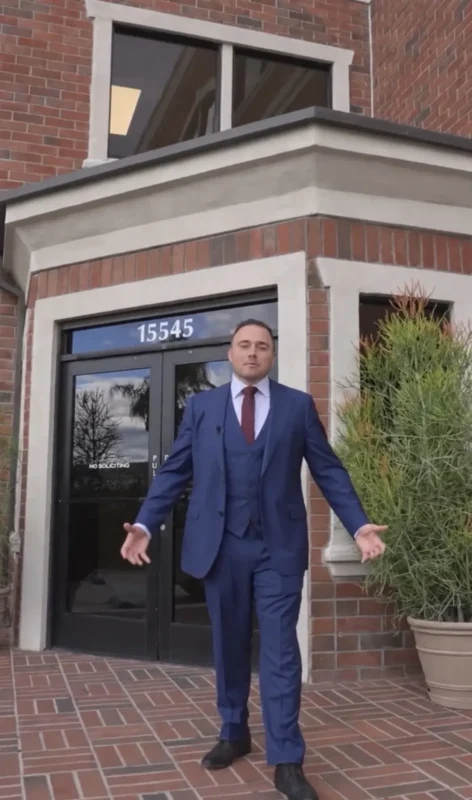
Your local guide
David Petikyan
I lead Property Provider Group with eXp Realty from our office on Devonshire Street in Mission Hills, next door to Panorama City and North Hills. I help homeowners across the San Fernando Valley understand their numbers before they decide anything.
Property Provider Group | eXp Realty · DRE# 02089725
15545 Devonshire St #103, Mission Hills, CA 91345 · 3001 Rancho Vista Blvd, Palmdale, CA 93551 · (818) 394-0012
eXp Realty of Greater Los Angeles, Inc. #02188471 · Equal Housing Opportunity
Assessed Value vs. Market Value FAQ
Is assessed value the same as market value?
No. In California, assessed value starts at your purchase price and can rise at most 2% a year under Prop 13. Market value is what a buyer would pay today. For long-time owners, the two can be far apart.
Will my buyer pay the same property taxes I do?
No. A sale is a change in ownership, so the LA County Assessor resets the value to the buyer’s purchase price. The buyer’s bill is based on that new value, plus the voter-approved bonds and assessments on the bill.
What is a supplemental tax bill?
After you buy, the Assessor bills the difference between the old value and your new purchase price, prorated for the months left in the July-to-June fiscal year. It is mailed to the owner and is not paid from a lender impound account, so set money aside for it.
Can I get my assessed value lowered?
If your home’s market value on January 1 was below its assessed value, you can file a decline-in-value review (Prop 8) with the LA County Assessor. For the 2026 roll, applications are accepted from July 2 to November 30, 2026.
When is my LA County property tax due?
The first installment of the 2026-27 bill was due November 1, 2026 and becomes delinquent after December 10. The second is due February 1, 2027 and becomes delinquent after April 12, 2027.
More for San Fernando Valley Homeowners
- Panorama City Real Estate
- North Hills Real Estate
- How a CMA Prices a Home
- What Happens During a Home Appraisal
- Buyer Closing Costs in Los Angeles
- What Is Home Equity?
- Free Home Valuation
Sources & notes
LA County Assessor, Prop 13 and supplemental · LA County Assessor, decline in value · LA County Treasurer and Tax Collector · Redfin, Panorama City · Redfin, 91343. Prop 13, supplemental assessments and decline-in-value rules: LA County Assessor, retrieved Nov 1, 2026. Due dates and penalty: LA County Treasurer and Tax Collector, 2026-27 secured bills. Homeowners’ exemption: California State Board of Equalization. Market data: Redfin, three months ending September 2026 (Panorama City neighborhood; North Hills is ZIP 91343). The 2005 example is hypothetical and my math. Photo credits in captions. General information, not legal, tax, lending or insurance advice; aggregate data only, not an appraisal; information believed accurate but not guaranteed. Equal Housing Opportunity.