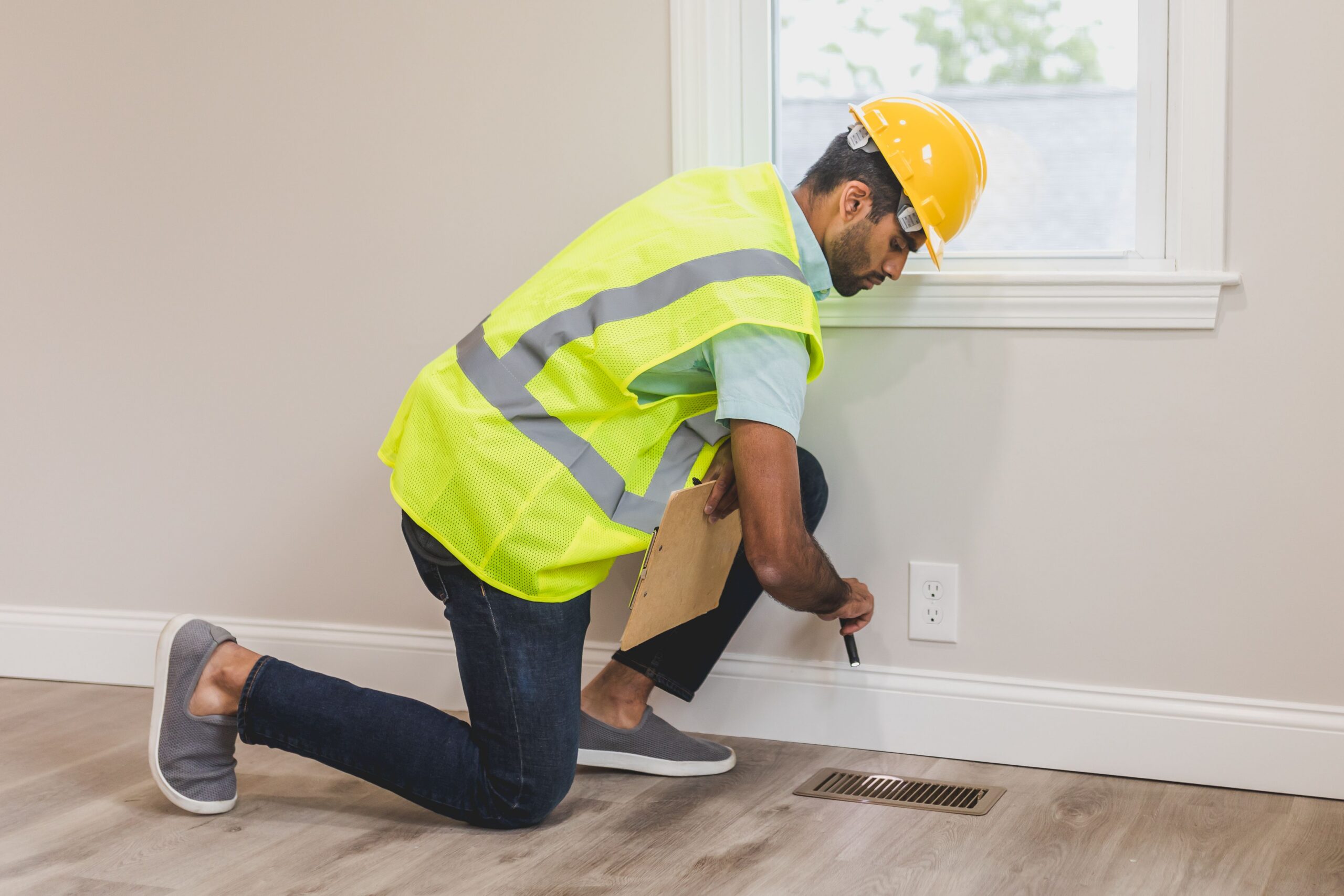
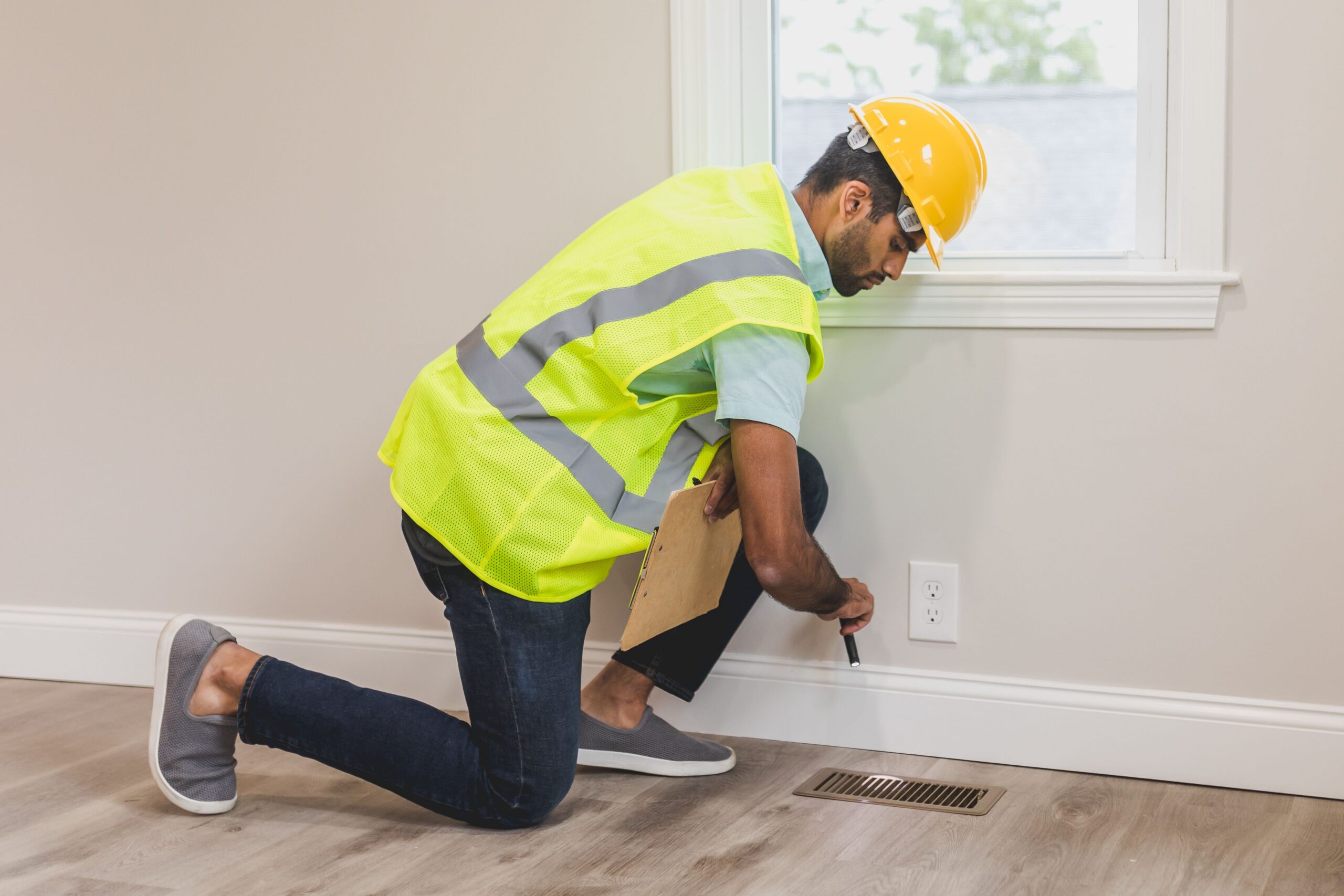
>One of the biggest misconceptions we hear from homeowners is confusing a home appraisal with a home inspection. Although they often occur around the same time during escrow, they serve completely different purposes. A home inspection focuses on identifying defects, maintenance issues, and safety concerns. The inspector carefully evaluates the roof, plumbing, electrical system, HVAC equipment, foundation, appliances, attic, and other structural components to help buyers understand the property’s physical condition. The appraisal, on the other hand, isn’t a detailed repair checklist. Instead, the appraiser’s primary responsibility is determining market value. Think of it this way: the inspector asks, “What’s wrong with the house?” while the appraiser asks, “Based on everything I see and what similar homes have recently sold for, what is this home worth today?” That distinction is incredibly important because even a home needing cosmetic updates can still appraise well if comparable homes in the neighborhood support its value. Likewise, a beautifully decorated home filled with luxury furniture may not receive a higher appraisal if recent comparable sales don’t justify the increased price. Beautiful staging can certainly help create a positive first impression, but granite countertops don’t suddenly become marble simply because someone added fresh flowers to the kitchen island. Appraisers rely heavily on measurable facts rather than personal opinions. That’s why experienced REALTORS® spend significant time researching neighborhood sales before listing a property. At Property Provider Group, we analyze recent comparable sales, current inventory, market trends, property condition, upgrades, and buyer demand throughout Northridge and neighboring north San Fernando Valley communities to establish a pricing strategy that’s both competitive and realistic. When your listing price is supported by the local market, the appraisal process usually becomes much smoother.
So, what actually happens on appraisal day? Once the buyer’s lender orders the appraisal, an independent licensed appraiser contacts the appropriate party—usually the listing agent or homeowner—to schedule an appointment. During the visit, which generally lasts anywhere from thirty minutes to over an hour depending on the size and complexity of the property, the appraiser carefully walks through both the interior and exterior of the home. They measure the home’s square footage, verify the floor plan, photograph each major room, examine the exterior, and document important characteristics that influence value. They’ll note the number of bedrooms and bathrooms, the overall layout, ceiling heights, quality of construction, condition of flooring, cabinetry, countertops, windows, roofing, HVAC systems, landscaping, garages, pools, patios, and other amenities. They also evaluate deferred maintenance such as peeling paint, damaged flooring, missing fixtures, water stains, roof concerns, or obvious structural issues. Sellers sometimes become nervous when the appraiser spends extra time taking notes or photographs of a particular area, but that’s simply part of documenting the property accurately. It doesn’t necessarily indicate there’s a problem. In fact, many appraisers take extensive photographs simply because lenders require detailed documentation in the final appraisal report. If your home includes recent upgrades—such as a remodeled kitchen, updated bathrooms, new dual-pane windows, solar panels, a new HVAC system, energy-efficient improvements, or a recently replaced roof—this is an excellent opportunity to provide documentation. Receipts, permits, contractor invoices, warranties, and a written summary of improvements can all help the appraiser understand investments that may not be immediately obvious during a walkthrough. While appraisers perform independent evaluations and cannot simply increase value because improvements were expensive, providing complete information ensures nothing important is overlooked.
One of the most important factors in a home appraisal in Northridge California is the selection of comparable sales, commonly called “comps.” These are recently sold homes that closely resemble your property in terms of location, size, age, condition, design, and amenities. Appraisers typically prioritize sales that occurred within the past several months and are located as close to your property as possible, ideally within the same neighborhood or subdivision. In Northridge, however, this process isn’t always as straightforward as it sounds. Two homes located only a few blocks apart may have dramatically different values depending on school boundaries, lot sizes, views, remodeling quality, cul-de-sac locations, or proximity to major streets. An experienced appraiser understands these local nuances and makes adjustments accordingly. For example, if your home has an upgraded kitchen while a comparable sale does not, the appraiser may adjust that comparable upward to reflect the added value. Conversely, if another property includes an additional bedroom or significantly larger lot, adjustments may be made in the opposite direction. This adjustment process helps create a more accurate comparison rather than simply averaging nearby sales prices. Market conditions also matter. If home values in Northridge have been steadily increasing over recent months, older comparable sales may require time adjustments to reflect current market trends. Likewise, if inventory has increased and buyer demand has softened, appraisers consider those changing conditions as well. This is one reason why online home value estimators can sometimes produce misleading numbers. Automated algorithms don’t always recognize that one property backs to a peaceful greenbelt while another backs to a busy commercial corridor, or that one home underwent a complete renovation while another still proudly displays wallpaper chosen during the Carter administration. Local expertise matters, and experienced REALTORS® work diligently to provide appraisers with relevant comparable sales that accurately reflect today’s market conditions. While the appraiser makes the final determination independently, ensuring they have complete market information helps support a well-informed valuation.
For sellers, one of the best ways to prepare for an appraisal is surprisingly simple: focus on presentation, maintenance, and accessibility. Although appraisers don’t assign value based on decorating style, first impressions still matter because a clean, well-maintained home communicates responsible ownership. Simple tasks such as mowing the lawn, trimming landscaping, replacing burned-out light bulbs, touching up chipped paint, fixing dripping faucets, cleaning windows, decluttering rooms, and ensuring every area of the home is easily accessible all contribute to a smooth appraisal experience. Make sure garages, attics, crawl spaces, utility rooms, and mechanical equipment can be accessed without obstacles. If you’ve completed significant improvements over the years, prepare a written list that includes renovation dates, contractor information, permits when applicable, and approximate costs. This information may help the appraiser understand updates that aren’t immediately visible during a brief walkthrough. Keep in mind, however, that while spending $50,000 on a custom outdoor kitchen doesn’t necessarily increase your home’s value by $50,000, quality improvements often make your property more competitive compared to similar homes. Above all, remember that the appraisal isn’t designed to criticize your home. It’s simply a professional evaluation based on established guidelines and market evidence. At Property Provider Group, we work closely with our sellers long before the appraiser arrives, helping them highlight their home’s strengths, organize improvement records, and prepare for one of the most important milestones in the transaction. A little preparation can go a long way toward making appraisal day feel just like another routine step on the journey to a successful closing.
After the appraiser completes the property visit, many buyers and sellers assume the hardest part is over. In reality, there’s still important work happening behind the scenes. The appraiser returns to their office and begins compiling a detailed appraisal report using information gathered during the inspection, public property records, Multiple Listing Service (MLS) data, neighborhood trends, and recent comparable sales. This isn’t a document that’s completed in a few minutes. Every adjustment must be supported by market evidence, and lenders carefully review the final report before approving the buyer’s loan. The appraisal includes photographs of the home, measurements, descriptions of the property’s condition, neighborhood analysis, market trends, and several comparable sales that justify the appraiser’s opinion of value. The lender then compares the appraised value to the agreed-upon purchase price. If the appraisal matches or exceeds the contract price, the transaction usually moves forward without any appraisal-related issues. Everyone breathes a sigh of relief, escrow continues as planned, and buyers begin counting down the days until move-in. But sometimes the appraisal comes in lower than expected, and that’s when many people panic unnecessarily. While a low appraisal can certainly create additional negotiations, it doesn’t automatically mean the transaction is over. In fact, experienced REALTORS® deal with appraisal challenges more often than most people realize, and there are several practical solutions depending on the circumstances. At Property Provider Group, we remind our clients that a low appraisal is simply another obstacle to solve—not the final chapter of the story. Real estate transactions are full of moving parts, and successful agents know how to navigate unexpected turns while keeping everyone focused on reaching the finish line.
So, what happens if the appraisal comes in below the agreed-upon purchase price? Let’s say a buyer agrees to purchase your Northridge home for $1,050,000, but the appraisal determines the market value is $1,020,000. From the lender’s perspective, they’ll generally base the loan amount on the lower appraised value rather than the contract price. That creates a difference that needs to be addressed before the transaction can close. Fortunately, several options are available. The buyer may choose to pay the difference out of pocket if they have sufficient funds and still believe the home is worth the agreed-upon price. The seller may decide to reduce the purchase price to match the appraisal, particularly if they want to keep the transaction moving smoothly. Sometimes both parties compromise by meeting somewhere in the middle, with each side sharing part of the difference. In certain situations, the buyer’s agent and listing agent may review the appraisal carefully to determine whether important comparable sales or recent market data were overlooked. If legitimate factual errors or stronger comparable properties exist, the lender may allow a formal Reconsideration of Value, often called an ROV. While appraisal revisions aren’t common, they do happen when compelling evidence supports a different conclusion. If the contract includes an appraisal contingency and no agreement can be reached, the buyer may have the option to cancel the transaction without losing their earnest money deposit. Although that outcome isn’t anyone’s first choice, these protections exist to help buyers avoid overpaying for a property. This is another reason why pricing a home correctly from the very beginning is so important. Homes priced realistically based on current market conditions are much less likely to encounter significant appraisal challenges than homes listed far above what comparable sales support.
One question we hear frequently is, “What can increase or decrease my home’s appraised value?” While homeowners often focus on cosmetic details, appraisers evaluate a much broader picture. Major improvements such as remodeled kitchens and bathrooms, updated plumbing and electrical systems, energy-efficient windows, new roofing, modern HVAC systems, paid-off solar panels, high-quality flooring, permitted additions, and overall maintenance can all contribute positively to value when supported by comparable sales. Location continues to play an enormous role as well. Homes located on quiet cul-de-sacs, near highly regarded schools, parks, shopping, restaurants, and commuter routes often benefit from stronger buyer demand than similar homes situated beside busy intersections or commercial properties. On the other hand, deferred maintenance can negatively influence an appraisal. Peeling paint, roof damage, broken windows, water intrusion, damaged flooring, outdated systems nearing the end of their useful life, or obvious structural concerns may lead appraisers to make adjustments if comparable homes are in better condition. Unpermitted additions can also create complications because lenders may be hesitant to assign full value to square footage that lacks proper permits or documentation. This is why we encourage homeowners to maintain thorough records of renovations, including permits, contractor invoices, warranties, and completion dates whenever possible. However, it’s equally important to understand that not every improvement delivers a dollar-for-dollar return. Installing a luxurious $100,000 backyard resort doesn’t automatically increase your appraisal by $100,000. Appraisers analyze how buyers in the Northridge market actually value those improvements based on recent sales, not simply how much money was invested. That’s why strategic upgrades generally produce better returns than highly customized luxury features designed for personal preferences. Your purple zebra-striped home theater might be your pride and joy, but future buyers—and appraisers—may not share your enthusiasm.
Perhaps the greatest misconception surrounding appraisals is the belief that homeowners have no influence whatsoever over the outcome. While it’s true that sellers cannot persuade an appraiser to assign a higher value simply through conversation, preparation absolutely matters. A clean, organized, well-maintained property demonstrates pride of ownership and allows the appraiser to evaluate every feature without unnecessary distractions. Providing a concise list of recent improvements, permit information, replacement dates for major systems, and neighborhood upgrades helps ensure important details aren’t overlooked. Likewise, experienced REALTORS® often prepare their own package of recent comparable sales, pending transactions, and neighborhood market data for the appraiser to review. This isn’t about attempting to “tell” the appraiser what value to assign—it’s about ensuring they have access to the most complete and current market information available. Another myth worth debunking is that appraisers compare your home to listings currently on the market. Active listings provide useful context, but completed sales generally carry much greater weight because they reflect what buyers have actually been willing to pay rather than simply what sellers hope to receive. At Property Provider Group, we carefully monitor market activity throughout Northridge and neighboring communities every single day. Because we understand neighborhood trends, buyer preferences, and recent comparable sales, we’re able to price homes strategically from the outset, reducing the likelihood of unpleasant appraisal surprises later. Preparation, accurate pricing, and professional representation form the foundation of successful appraisals far more than luck ever could.
At the end of the day, a home appraisal in Northridge California shouldn’t be viewed as an obstacle. It’s a valuable tool that helps buyers, sellers, and lenders make informed decisions based on current market value. Buyers gain confidence that they’re paying fair market value. Lenders receive the independent analysis they need to responsibly approve financing. Sellers benefit from an objective evaluation that supports realistic pricing and helps transactions move toward a successful closing. While no homeowner can control every market factor influencing an appraisal, you can absolutely control how well your property is presented, how thoroughly improvements are documented, and how effectively your home is positioned within today’s Northridge real estate market. That’s where working with an experienced local real estate team makes all the difference. At Property Provider Group, we don’t simply place a sign in your yard and hope everything works out. We guide our clients through every stage of the process—from preparing your home before listing, developing an accurate pricing strategy, coordinating inspections and appraisals, negotiating offers, managing escrow, and helping overcome unexpected challenges with confidence and professionalism. Our mission is to make every step feel less overwhelming and far more predictable because informed clients make better decisions. Selling or buying a home is already a major life event—you shouldn’t also have to become an overnight appraisal expert. That’s our job. And while we can’t promise the appraiser will compliment your freshly baked cookies or your perfectly manicured lawn, we can promise we’ll do everything possible to ensure your home is positioned for appraisal success from the very beginning.