
Understanding the Real Estate Step That Can Make Everyone Suddenly Check Their Email Every Five Minutes
You found the house. Your offer was accepted. You’re already imagining where the couch will go and debating whether that spare bedroom will become a home office, gym, or a room dedicated entirely to unopened Amazon packages.
Before the keys are officially handed over, buyers and sellers go through several important steps—and understanding the home appraisal process is one of the most important parts of preparing for a successful transaction.
Then someone mentions the appraisal.
Suddenly, buyers, sellers, agents, and lenders all become very interested in one person’s opinion.
Welcome to one of the most important steps in a real estate transaction: the home appraisal.
While appraisals sometimes get a reputation for causing stress, they’re actually a routine part of the home-buying process. Understanding how they work can help you feel more prepared and avoid unnecessary surprises along the way.
What Is a Home Appraisal?
A home appraisal is a professional opinion of a property’s current market value conducted by a licensed appraiser.
Think of it as a reality check for the transaction.
When a buyer is obtaining financing, the lender wants to verify that the home’s value supports the amount they’re lending. After all, the property serves as collateral for the mortgage, and lenders want to make sure they’re making a sound investment.
An appraisal helps determine whether the agreed-upon purchase price aligns with current market conditions and comparable sales.
In other words, it’s not about what the seller hopes the home is worth or what Zillow estimated last week. It’s about what the market data supports today.
Who Orders and Pays for the Appraisal?
In most transactions, the lender orders the appraisal and the buyer pays for it as part of their loan-related expenses.
The cost can vary depending on the property’s size, location, and complexity, but appraisals typically range from several hundred dollars and up.
While buyers pay for the appraisal, the lender is the intended user of the report because it’s designed to help them assess risk before approving the loan.
What Does an Appraiser Actually Do?
Appraisers are licensed professionals trained to evaluate residential properties using established valuation methods and market data.
Understanding the home appraisal process can help both buyers and sellers feel more prepared because it explains how an appraiser reaches a final opinion of value. While many people assume an appraisal is simply a quick walkthrough, there is actually a detailed review of the property’s condition, comparable sales, location, and market trends behind the final number.
Their job isn’t to determine whether a home is beautiful, trendy, or featured on someone’s Pinterest board. Instead, they’re focused on measurable factors that influence value.
During the appraisal process, they’ll evaluate the home’s condition, size, layout, location, upgrades, overall functionality, and recent sales of similar homes in the area.
They’re essentially part market analyst, part researcher, and part real estate detective.
And unlike that neighbor who insists their home is worth an extra $200,000 because of their custom barbecue setup, appraisers rely on actual sales data.
What Happens During the Home Visit?
The first step is usually an in-person visit to the property.
The appraiser will walk through the home, take measurements, photograph key areas, and assess the overall condition. They’ll evaluate both the interior and exterior while documenting features that may impact value.
They’ll pay attention to things like square footage, room count, upgrades, maintenance, curb appeal, and any obvious issues that could affect marketability.
For sellers, this isn’t the time to panic over whether the throw pillows are perfectly arranged.
The appraiser isn’t judging your decorating style.
That said, a clean, well-maintained home never hurts.
The Importance of Comparable Sales
One of the biggest factors in determining value is something you’ll often hear referred to as “comps.”
Comparable sales are recently sold homes that are similar in size, condition, location, and features.
Appraisers typically analyze several nearby sales that have occurred within the past few months and use those properties as benchmarks when determining value.
This is why neighborhood sales matter so much.
If a similar home around the corner recently sold for a strong price, that can support your home’s value. If several comparable properties sold below expectations, that data matters too.
The market has a way of keeping everyone honest.
What Happens After the Inspection?
Once the property visit is complete, the appraiser conducts additional research and prepares a detailed report.
This report includes information about the property, photographs, market analysis, comparable sales, and the appraiser’s final opinion of value.
The completed report is then delivered to the lender, who uses it as part of the loan approval process.
At this point, everyone involved in the transaction starts refreshing their inbox a little more frequently.
What If the Appraisal Comes in at Value?
This is the outcome everyone hopes for.
If the appraised value meets or exceeds the purchase price, the transaction typically moves forward without issue.
The lender is satisfied, the buyer continues through the loan process, and the seller can breathe a little easier.
No drama. No emergency negotiations. No late-night conference calls.
Just progress.
What If the Appraisal Comes in Low?
This is where things can get more complicated.
If the appraised value is lower than the agreed purchase price, the lender may reduce the amount they’re willing to finance.
At that point, several options may be available.
The buyer may choose to bring in additional cash to cover the difference. The seller may agree to lower the price. Both parties may negotiate a compromise. In some cases, buyers can challenge the appraisal if they believe important information was overlooked.
And occasionally, the transaction simply doesn’t move forward.
While a low appraisal can create stress, it doesn’t automatically mean the deal is dead. Many transactions successfully navigate appraisal challenges through thoughtful negotiation and communication.
How Sellers Can Prepare for an Appraisal
While sellers can’t control the market, there are several things they can do to help present the property in its best light.
Simple maintenance items should be addressed before the appointment. Touch-up paint, minor repairs, working light fixtures, and good curb appeal can all contribute to a positive impression.
It’s also helpful to provide documentation for significant improvements, renovations, and upgrades. If you’ve invested in a new roof, remodeled kitchen, upgraded HVAC system, or other major improvements, sharing that information can be valuable.
After all, “we spent a lot of money on it” isn’t nearly as effective as providing actual receipts and documentation.
How Buyers Can Protect Themselves
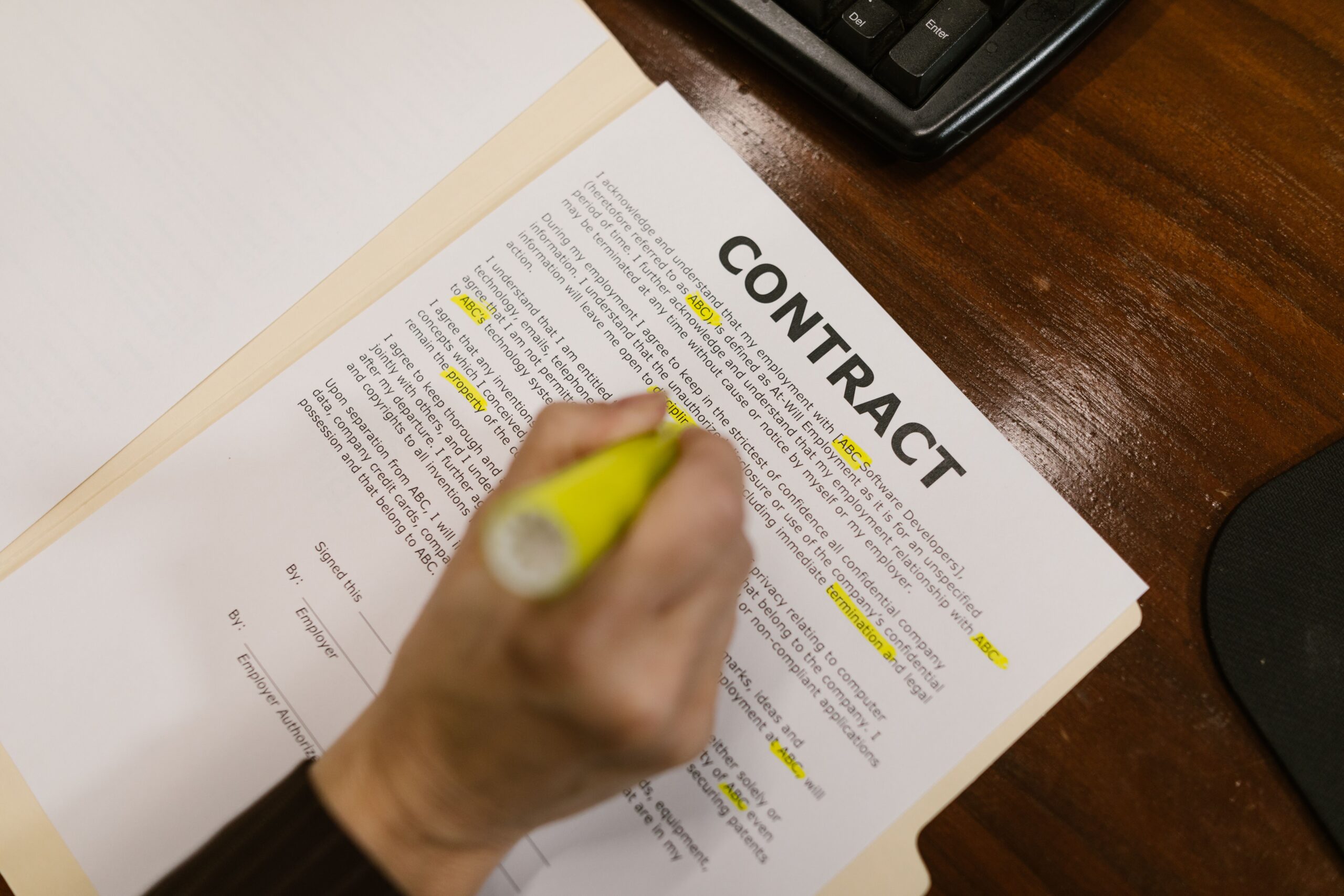
For buyers, one of the most important protections is the appraisal contingency.
An appraisal contingency allows buyers to renegotiate or potentially cancel the transaction if the property appraises below the agreed purchase price.
Without that protection, buyers may be required to contribute additional funds or risk losing their deposit depending on the terms of the contract.
That’s why understanding contingencies before entering escrow is so important.
The Bottom Line
After going through the home appraisal process, many buyers and sellers realize that the appraisal isn’t just another requirement—it is a valuable step that provides clarity and confidence during one of the largest financial decisions they will make.
Home appraisals play a critical role in real estate transactions because they help ensure that buyers, sellers, and lenders are all operating from a realistic understanding of a property’s value.
While the process can sometimes feel nerve-racking, it’s ultimately designed to create confidence and protect everyone involved.
Most appraisals come and go without major issues. And when challenges do arise, experienced guidance can make a significant difference in finding solutions.
Because at the end of the day, an appraisal isn’t there to ruin anyone’s plans.
It’s simply there to keep the transaction grounded in market reality—even if your favorite real estate website suggested your home was worth enough to purchase a private island.
Thinking About Buying or Selling?
At Property Providers Group, we help buyers and sellers navigate every stage of the real estate process—from pricing and negotiations to inspections, appraisals, escrow, and closing.
Whether you’re preparing to list your home or purchasing your next one, our team is here to provide expert guidance, clear communication, and a strategy designed to help you succeed.
Contact Property Providers Group today for a complimentary consultation and personalized game plan. We’ll help you move forward with confidence, avoid surprises, and make the most of your next real estate opportunity.