
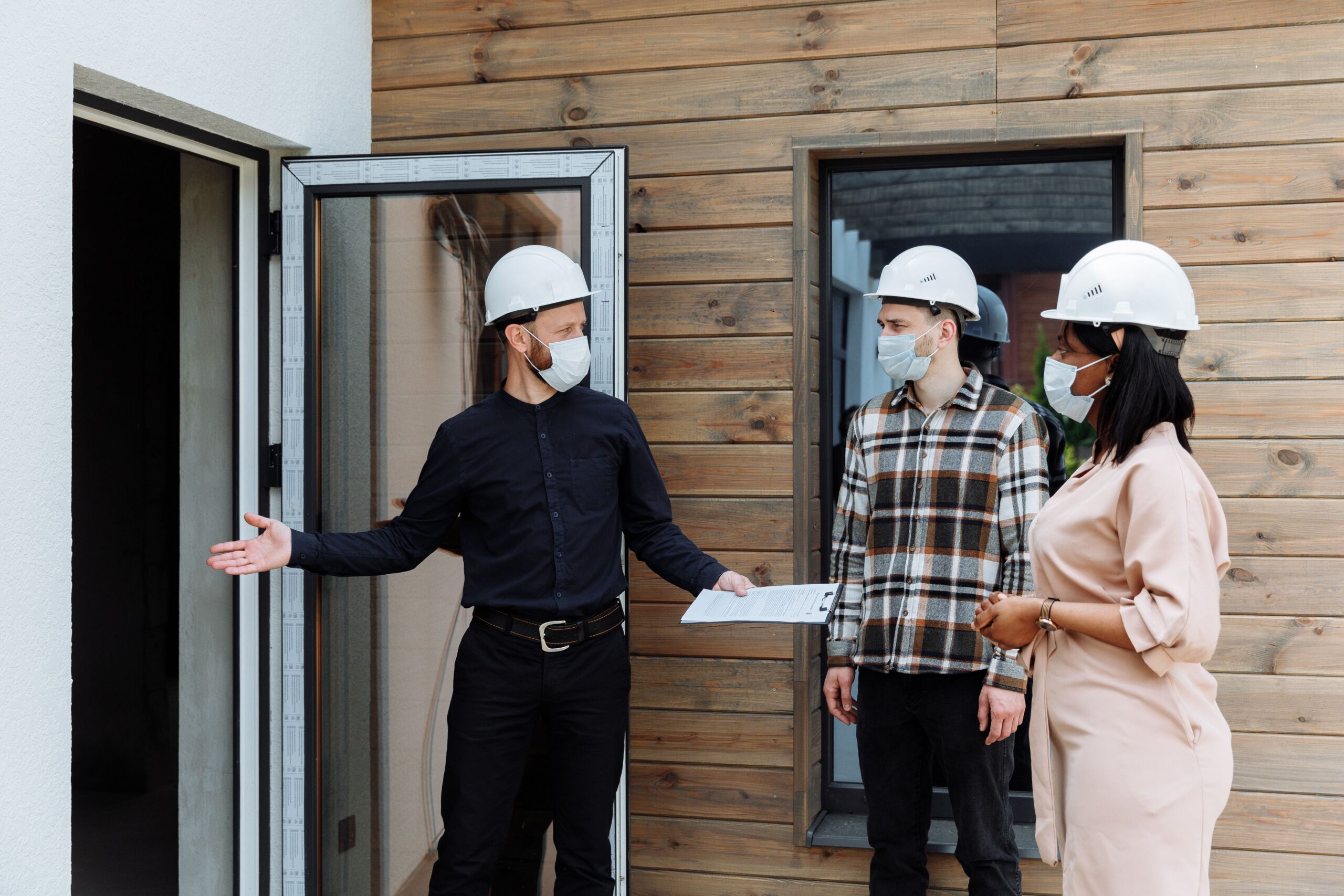
So… What Exactly Is a Home Inspection?
Think of it like a full-body checkup for the house.
A licensed inspector examines the home’s major systems and structure to make sure everything is functioning properly and safely. They’ll inspect things like:
- Roof
- Foundation
- Plumbing
- Electrical
- HVAC
- Windows
- Insulation
- Water damage
- Safety hazards
Basically, if it keeps the house standing, running, or not catching on fire… it matters.
And yes — they will find something.
Even brand-new homes have issues. (Plot twist.)
The Biggest Myth About Home Inspections
A lot of buyers panic when they see a 40-page inspection report.
Here’s the truth:
Almost every home inspection comes back with findings.
That doesn’t mean the house is “bad.”
It usually means:
 Minor repairs
Maintenance items
Normal wear and tear
A growing list of future Home Depot trips
The key is knowing the difference between “easy fix” and “run for your life.”
The Red Flags That Actually Matter 
Some inspection issues are cosmetic.
Others can turn your savings account into a crime scene.
Here are the big ones buyers should pay attention to:
- Major foundation cracks
- Roof damage or active leaks
- Mold and moisture intrusion
- Electrical hazards
- Sewer line problems
- Old or failing HVAC systems
- Significant plumbing issues
If the inspector says, “You may want a structural engineer to look at this…”
That’s usually not the fun part of the tour.
Pro Tips Buyers Forget
Attend the Inspection
You’ll learn more in 2 hours walking through the home with the inspector than you will reading the report later.
Ask Questions
Inspectors actually love explaining things. Just maybe don’t ask them if the house is “haunted.”
Don’t Ignore the Small Stuff
Tiny leaks become giant leaks. Minor cracks become expensive cracks. Future-you will appreciate present-you paying attention.
Remember: No House Is Perfect
Even luxury homes have maintenance items.
Yes, even the one with the floating staircase and built-in espresso machine.
Final Thoughts
A home inspection is one of the smartest investments you’ll make during the buying process. For a few hundred dollars, you gain clarity, negotiating power, and peace of mind before making one of the biggest purchases of your life.
At Property Providers Group, we help buyers understand what truly matters, negotiate strategically, and avoid turning “dream homes” into renovation documentaries.
Because buying a home should come with excitement…
—not surprise plumbing adventures behind the walls. 